Are there any building codes for Folding Houses? Folding House

As a supplier of folding houses, I’ve often been asked about the building codes that apply to these innovative structures. Folding houses, with their unique design and portability, present a set of considerations that differ from traditional, static buildings. In this blog, I’ll explore the building codes related to folding houses, the challenges they face, and how we as a supplier ensure compliance.
Understanding Building Codes
Building codes are a set of regulations that govern the design, construction, and safety of buildings. They are put in place to protect the health, safety, and welfare of the public. These codes cover a wide range of aspects, including structural integrity, fire safety, electrical systems, plumbing, and accessibility.
For traditional buildings, the codes are well – established and widely recognized. However, folding houses are a relatively new concept, and the building codes that apply to them are still evolving. Different regions have different codes, and in some areas, there may be specific provisions for modular or pre – fabricated buildings, which folding houses can be considered a part of.
Structural Requirements
One of the most critical aspects of building codes is the structural integrity of the building. Folding houses need to be able to withstand various environmental forces, such as wind, snow, and seismic activity. The materials used in the construction of folding houses play a crucial role in meeting these requirements.
We use high – strength, lightweight materials in our folding houses. For example, the frames are often made of aluminum or steel alloys, which provide excellent strength – to – weight ratios. These materials are carefully selected to ensure that the folding house can be easily transported and assembled while still meeting the structural requirements of the local building codes.
In addition to the materials, the design of the folding mechanism also needs to be robust. The joints and connections must be able to handle the stresses during the folding and unfolding process, as well as when the house is in its fully assembled state. Our engineering team conducts extensive testing on the folding mechanisms to ensure that they meet or exceed the relevant structural standards.
Fire Safety
Fire safety is another important aspect of building codes. Folding houses need to have proper fire – resistant materials and systems in place. The walls, floors, and ceilings should be made of materials that have a high fire – rating. For example, we use fire – resistant insulation and drywall in our folding houses.
In addition to the materials, the electrical and plumbing systems also need to be designed to minimize the risk of fire. Electrical wiring should be properly installed and protected, and plumbing systems should be leak – proof to prevent water damage that could lead to electrical hazards. We follow all the relevant fire safety codes and standards when designing and constructing our folding houses.
Electrical and Plumbing Systems
The electrical and plumbing systems in folding houses need to meet the same standards as those in traditional buildings. Electrical systems should be properly grounded and have appropriate circuit breakers to prevent overloading. The wiring should be installed in a way that is safe and accessible for maintenance.
Plumbing systems need to be designed to ensure proper water flow and drainage. The pipes should be made of materials that are resistant to corrosion and leaks. We use high – quality plumbing fixtures and fittings in our folding houses to ensure that they meet the local plumbing codes.
Accessibility
Accessibility is an important consideration in building codes. Folding houses should be designed to be accessible to people with disabilities. This includes features such as ramps, wide doorways, and accessible bathrooms. We take these requirements into account when designing our folding houses to ensure that they are inclusive and meet the needs of all potential users.
Challenges in Meeting Building Codes
One of the main challenges in meeting building codes for folding houses is the lack of clear and consistent regulations. As folding houses are a relatively new concept, some building departments may not have specific guidelines for them. This can lead to delays and uncertainties during the approval process.
Another challenge is the need to balance portability and compliance. Folding houses are designed to be easily transported and assembled, which means that they need to be lightweight. However, some building codes may require heavier and more robust materials, which can make it difficult to maintain the portability of the house.
How We Ensure Compliance
As a supplier of folding houses, we take compliance with building codes very seriously. We work closely with local building departments to understand the specific requirements in each region. We provide detailed plans and specifications for our folding houses, which include information about the materials, design, and construction methods.
Our engineering team stays up – to – date with the latest building codes and standards. We conduct regular training and education to ensure that our staff is knowledgeable about the requirements. We also perform in – house testing and inspections to ensure that our folding houses meet or exceed the relevant standards before they are delivered to our customers.
The Future of Building Codes for Folding Houses
As the popularity of folding houses continues to grow, we expect to see more clear and consistent building codes for them. Governments and building departments are likely to develop specific regulations that take into account the unique features of folding houses. This will make it easier for suppliers like us to ensure compliance and for customers to have confidence in the safety and quality of their folding houses.
In addition, the development of new technologies and materials will also play a role in shaping the future of building codes for folding houses. For example, advances in lightweight and fire – resistant materials may lead to more relaxed requirements in some areas, while still maintaining a high level of safety.
Conclusion
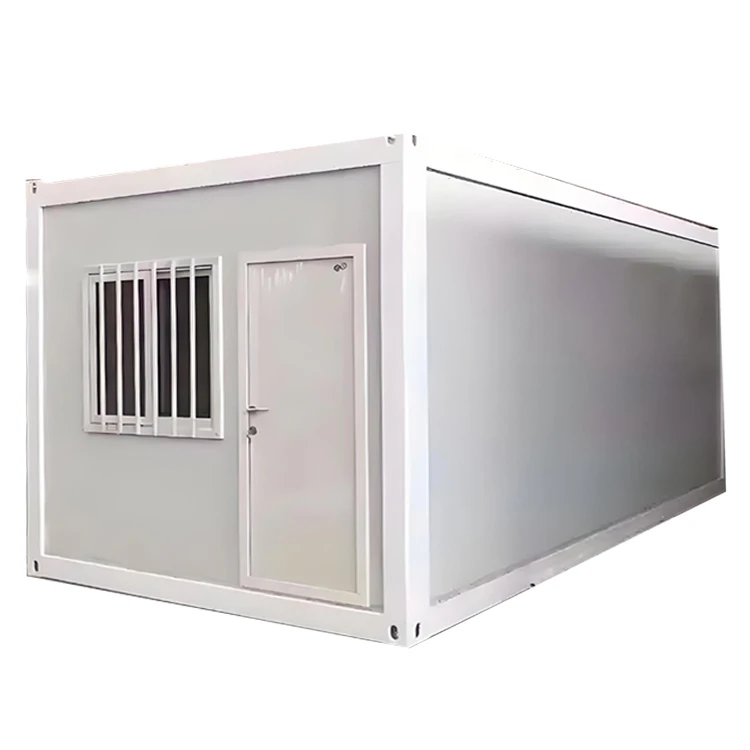
In conclusion, there are indeed building codes for folding houses, although they are still evolving. As a supplier, we are committed to meeting these codes and ensuring the safety and quality of our products. We understand the challenges that come with compliance, but we also see the opportunities for innovation and improvement in the design and construction of folding houses.
Folding House If you are interested in purchasing a folding house and have questions about building codes or our products, we would be more than happy to discuss them with you. We can provide you with detailed information about how our folding houses meet the relevant standards and how we can work with you to ensure a smooth and compliant building process. Contact us today to start the conversation about your folding house project.
References
- International Building Code (IBC)
- National Fire Protection Association (NFPA) codes
- Local building department regulations in various regions
Jiangsu Suqian Longze Modular Construction Co., Ltd.
As one of the most professional folding house manufacturers and suppliers in China, our products have good reputation in the market. Please feel free to buy high quality folding house at competitive price from our factory. We also accept customized orders.
Address: No. 8, Weisan Road, Shuanggou Town, Sihong County, Suqian City, Jiangsu Province, China
E-mail: Lzmk88888888@163.com
WebSite: https://www.expandablehousefactory.com/
