As a seasoned supplier in the industry of pipeline pumps, I’ve witnessed firsthand the diverse applications and the critical role that these pumps play in various industrial and municipal settings. One question that frequently surfaces during client consultations is: What is the maximum pressure a pipeline pump can withstand? In this blog post, I aim to shed light on this topic, exploring the factors that influence a pipeline pump’s pressure tolerance and providing insights into how to select the right pump for your specific needs. Pipeline Pump
Understanding Pipeline Pump Pressure Ratings
The maximum pressure a pipeline pump can withstand is typically referred to as its pressure rating. This rating is a crucial specification as it determines the pump’s suitability for different applications. Pipeline pumps are designed to operate within a certain pressure range, and exceeding this range can lead to premature wear, failure, and even safety hazards.
Pressure ratings are usually measured in pounds per square inch (psi) or bar. For instance, a common household water supply pipeline might operate at pressures around 30 – 80 psi, while industrial applications can demand pumps that can handle pressures well over 1000 psi.
Factors Influencing Pressure Tolerance
1. Pump Design and Construction
The design and construction materials of a pipeline pump have a significant impact on its pressure tolerance. Pumps with robust casings made from high – strength materials such as cast iron, stainless steel, or bronze are generally capable of withstanding higher pressures.
For example, our range of pipeline pumps often features stainless – steel casings. Stainless steel offers excellent corrosion resistance and high tensile strength, making it ideal for high – pressure applications. The internal components, including the impeller and shaft, are also engineered to resist the forces generated at high pressures. Impellers are precisely designed to efficiently transfer energy to the fluid, and shafts are made of hardened steel to prevent deflection under stress.
2. Sealing Mechanisms
Effective sealing is essential for a pipeline pump to maintain pressure. Leakage at high pressures can not only reduce the pump’s efficiency but also pose a safety risk. Mechanical seals are commonly used in pipeline pumps to prevent fluid leakage.
Advanced mechanical seal designs use multiple sealing faces and high – performance materials such as carbon and ceramic. These seals are capable of withstanding high pressures and abrasive fluids. In our pumps, we use state – of – the – art mechanical seals that are specifically engineered to handle the rigors of high – pressure operation.
3. Motor Power and Efficiency
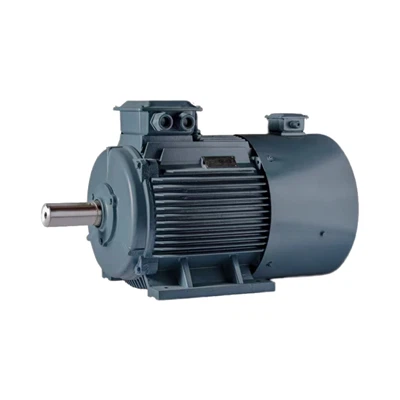
The motor of a pipeline pump is responsible for providing the energy needed to generate pressure. A more powerful motor can drive the pump to achieve higher pressures. However, it’s not just about raw power; motor efficiency also plays a role.
An efficient motor can convert electrical energy into mechanical energy more effectively, reducing heat generation and improving overall performance. Our pumps are equipped with high – efficiency motors that are carefully matched to the pump’s hydraulic design. This ensures that the pump can operate at its maximum pressure rating with minimal energy consumption.
Typical Pressure Ratings in Different Applications
1. Residential Water Supply
In residential settings, pipeline pumps are used to boost water pressure in homes and apartments. These pumps typically have pressure ratings ranging from 30 to 100 psi. They are designed to provide a consistent water supply for faucets, showers, and appliances.
2. Commercial Building Water Systems
Commercial buildings, such as hotels, offices, and hospitals, require more powerful pumps to meet the higher demand for water. Pressure ratings for pumps in commercial water systems can range from 100 to 300 psi. These pumps need to be reliable and efficient to ensure a constant supply of water to multiple floors and various facilities.
3. Industrial Applications
Industrial applications often demand the highest pressure ratings. In industries such as oil and gas, chemical processing, and power generation, pipeline pumps may need to handle pressures of 1000 psi or more. For example, in oil refineries, pumps are used to transfer crude oil and refined products through long pipelines at high pressures.
Selecting the Right Pipeline Pump for Your Pressure Requirements
When choosing a pipeline pump, it’s crucial to accurately assess your pressure requirements. Here are some steps to guide you through the selection process:
- Determine the System Pressure: Calculate the total pressure needed to overcome friction losses in the pipeline, elevation changes, and any pressure requirements at the point of use.
- Consider Future Expansion: If there are plans for future expansion or changes in the system, it’s wise to select a pump with some extra capacity to accommodate these changes.
- Evaluate the Fluid Properties: The properties of the fluid being pumped, such as viscosity, density, and corrosiveness, can affect the pump’s performance. Make sure the pump is compatible with the fluid.
- Consult with an Expert: If you’re unsure about your pressure requirements or which pump is the best fit for your application, it’s always a good idea to consult with a pump expert. Our team of experienced engineers is available to provide you with personalized advice based on your specific needs.
Conclusion
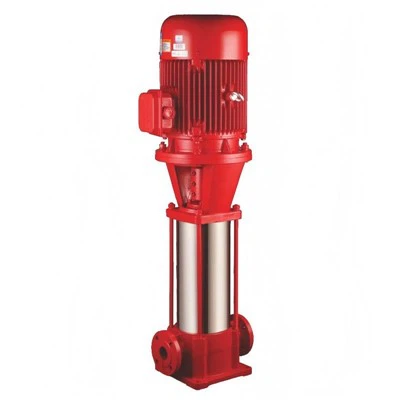
In conclusion, the maximum pressure a pipeline pump can withstand depends on several factors, including its design, construction materials, sealing mechanisms, and motor power. Understanding these factors is crucial for selecting the right pump for your application. Whether you’re looking for a pump for a residential water supply or a high – pressure industrial process, our company offers a wide range of pipeline pumps with different pressure ratings to meet your needs.
Fire Pump If you’re in the market for a pipeline pump and want to learn more about our products or discuss your specific requirements, we encourage you to reach out to us. Our team is ready to assist you in finding the perfect pump solution for your project.
References
- Karassik, I. J., Messina, J. P., Cooper, P., & Heald, C. C. (2008). Pump Handbook. McGraw – Hill.
- Stepanoff, A. J. (1957). Centrifugal and Axial Flow Pumps. John Wiley & Sons.
Taizhou Goodpump Trading Co., Ltd.
We’re well-known as one of the most professional pipeline pump enterprises in China, featured by quality products and good service. Please rest assured to buy discount pipeline pump in stock here from our factory. For quotation, contact us now.
Address: No. 38, District 6, Zhengye Village, Lunan Street, Luqiao District, Taizhou City, Zhejiang Province, China
E-mail: 19548175755@163.com
WebSite: https://www.goodpump-cn.com/
