In the logistics and supply chain sectors, the security and visibility of cargo are of utmost importance. One technology that has emerged as a game – changer in this regard is GPS trackers. As a reputable GPS Tracker supplier, I’ve witnessed firsthand the impact these devices can have on cargo management. In this blog, we’ll explore the viability and benefits of using GPS trackers for cargo. GPS Tracker
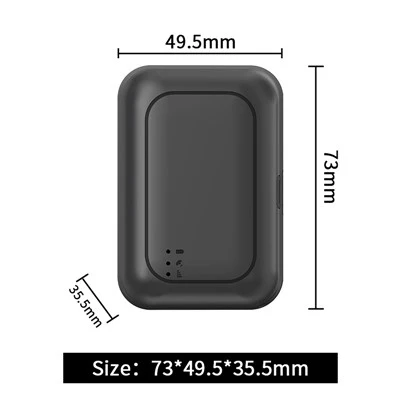
How GPS Trackers Work
Before delving into their application in cargo tracking, it’s essential to understand how GPS trackers function. A GPS tracker uses a network of satellites orbiting the Earth to determine its precise location. The tracker receives signals from multiple satellites, and by calculating the time it takes for these signals to reach the device, it can triangulate its position. This data is then transmitted over a cellular network or other communication channels to a central server, where it can be accessed by the user via a web – based interface or a mobile application.
Benefits of Using GPS Trackers for Cargo
Real – Time Location Monitoring
The primary advantage of using GPS trackers for cargo is the ability to monitor its location in real – time. This is especially crucial for high – value or time – sensitive shipments. For example, in the pharmaceutical industry, where drugs need to be transported under strict temperature and time conditions, real – time tracking ensures that the cargo is on the right route and will reach its destination on time. Logistics managers can access the tracking information from anywhere, allowing them to make informed decisions quickly. If a shipment is deviating from its planned route, they can contact the driver immediately to rectify the situation.
Theft Prevention and Recovery
Cargo theft is a significant concern in the transportation industry. GPS trackers act as a powerful deterrent to thieves. Knowing that a shipment is being tracked, potential thieves are less likely to target it. In the unfortunate event that a theft occurs, the GPS tracker enables law enforcement agencies to quickly locate the stolen cargo. This not only increases the chances of recovery but also reduces the financial losses associated with cargo theft. For example, in the trucking industry, where large quantities of goods are transported over long distances, GPS trackers can be the key to preventing and resolving thefts.
Route Optimization
GPS trackers provide valuable data on the most efficient routes for cargo transportation. By analyzing historical and real – time traffic data, the system can suggest the best routes to drivers, reducing travel time and fuel consumption. This not only saves money for logistics companies but also has a positive impact on the environment by reducing carbon emissions. For instance, a delivery company can use GPS – derived data to adjust its routes based on traffic congestion, road closures, or construction work, ensuring that its trucks are always taking the most efficient path.
Improved Supply Chain Visibility
In modern supply chains, transparency is crucial. GPS trackers offer end – to – end visibility into the movement of cargo. Suppliers, manufacturers, and retailers can all have access to the same tracking information, which helps in coordinating operations more effectively. For example, a retailer can use the tracking data to plan its inventory management more accurately. If a shipment is expected to arrive earlier than anticipated, the retailer can make arrangements to receive and store the goods promptly.
Compliance and Accountability
In some industries, there are strict regulations regarding the transportation of goods. GPS trackers can help companies comply with these regulations by providing detailed records of the cargo’s movement, including time, location, and stops. This data can be used for auditing purposes and to prove that the company has adhered to the required standards. Moreover, it holds all parties involved in the transportation process accountable. Drivers are more likely to follow the rules and ethical driving practices when they know that their actions are being monitored.
Types of GPS Trackers for Cargo
Hard – Wired GPS Trackers
Hard – wired GPS trackers are permanently installed in the vehicle or the cargo container. They are powered by the vehicle’s electrical system or a dedicated power source in the container. These trackers are highly reliable and offer continuous tracking. They are ideal for fleets of trucks or containers that are used for long – distance transportation, as they can withstand harsh environmental conditions and provide consistent performance.
Battery – Powered GPS Trackers
Battery – powered GPS trackers are more flexible as they can be easily moved from one cargo to another. They are suitable for smaller shipments or for situations where temporary tracking is required. These trackers have a limited battery life, but with advancements in technology, many can now operate for several weeks or even months on a single charge. They are often used in the shipping of high – value consumer goods or in situations where the cargo needs to be tracked during different stages of the supply chain.
Plug – and – Play GPS Trackers
Plug – and – play GPS trackers are designed to be easily installed and removed. They can be plugged into the vehicle’s OBD – II port, which is a standard diagnostic port found in most modern vehicles. These trackers are a cost – effective option for tracking company vehicles and associated cargo. They offer real – time tracking and can also provide additional information such as vehicle diagnostics and driver behavior.
Challenges and Considerations
Data Security
With the increasing use of technology in cargo tracking, data security has become a critical concern. The information collected by GPS trackers, such as the location of high – value cargo, needs to be protected from unauthorized access. As a GPS Tracker supplier, we take data security very seriously. We use encryption technologies to ensure that the data transmitted between the tracker and the server is secure. Additionally, we implement strict access controls to prevent unauthorized users from accessing the tracking information.
Signal Interference
In some environments, GPS signals can be disrupted. For example, in urban canyons (areas surrounded by tall buildings) or underground facilities, the tracker may not be able to receive clear signals from the satellites. To overcome this challenge, we offer trackers with enhanced signal reception capabilities and complementary technologies such as cellular – based positioning. These trackers can switch to alternative positioning methods when GPS signals are weak.
Cost
The cost of installing and maintaining GPS trackers can be a consideration for some companies. However, when weighed against the potential benefits such as theft prevention, route optimization, and improved supply chain visibility, the investment is often worthwhile. As a GPS Tracker supplier, we offer a range of products at different price points to suit the diverse needs and budgets of our customers.
Conclusion
GPS trackers have proven to be a valuable tool for cargo management. They offer real – time location monitoring, theft prevention, route optimization, improved supply chain visibility, and compliance benefits. Despite the challenges such as data security, signal interference, and cost, the advantages far outweigh the drawbacks.

If you’re in the logistics, transportation, or supply chain industry and are looking to enhance the security and visibility of your cargo, GPS trackers are an excellent solution. As a trusted GPS Tracker supplier, we have a wide range of products to meet your needs. Whether you need a hard – wired tracker for long – haul trucks, a battery – powered tracker for smaller shipments, or a plug – and – play option for your company vehicles, we can provide the right device.
GPS Tracker Contact us today to discuss your specific requirements and let’s start a conversation about how our GPS trackers can transform your cargo management operations. We’re here to help you make the most out of this innovative technology.
References
- Transportation Research Board. "Global Positioning System (GPS) in Freight Transportation: Applications and Benefits." National Academies Press, 2015.
- Capgemini. "Supply Chain Transparency: Why It Matters and How to Achieve It." 2020.
- American Trucking Associations. "Cargo Theft in the United States: Trends and Prevention Strategies." 2019.
Shenzhen Xuneng Chuangxiang Technology Co., Ltd.
Shenzhen Xuneng Chuangxiang Technology Co., Ltd. is one of the most professional GPS tracker manufacturers and suppliers in China, featured by quality products and good service. Please rest assured to buy bulk customized GPS tracker made in China here from our factory. For price consultation, contact us.
Address: Room 515, Fuxiang Building, No.1 Wenming Road, East Zone, Baishixia Community, Fuyong Subdistrict, Bao’an District, Shenzhen City
E-mail: xn.sungang@gmail.com
WebSite: https://www.szxunneng.com/
