If you’ve ever stared at a crumpled lunchbox where your sandwich’s bread got soggy from the tomato slices, or found your pasta sauce leaking into your pasta on the drive to work, you know the frustration of single-compartment food containers. As a supplier of sealable food containers, I get asked this question all the time by home cooks, meal prep enthusiasts, café owners, and parents alike: Are there really sealable food containers with different compartments that actually work? The short answer is yes—but not all multi-compartment containers are created equal, and understanding what makes a good one matters more than you might think, especially if you’re a business buying in bulk for your team, your restaurant, or your retail shelf. Sealable Food Containers
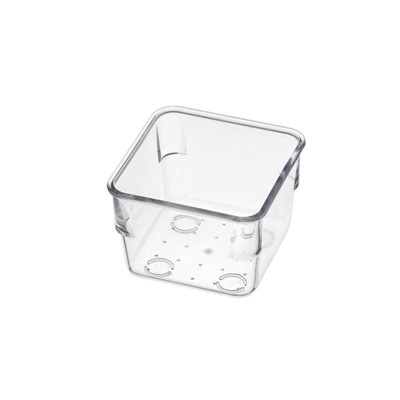
Let’s start with why single-compartment designs fall short for most people. When you’re packing a balanced meal—say, grilled chicken, roasted veggies, and a side of quinoa—you don’t want all the flavors, moisture, and textures mixing together before you eat. For meal preppers, that means soggy vegetables or grain that’s turned rubbery by sitting in dressing for three days. For on-the-go snackers, it means your hummus is diluted by pretzels or your fruit juice is making your granola go stale. That’s where multi-compartment sealable containers come in. But the key word here is sealable. A lot of cheap multi-compartment options you’ll find online don’t lock each compartment tightly—leaks are common, especially when you’re tossing a bag in a backpack or a fridge full of groceries. That’s why, as a supplier, we’ve spent years testing designs that balance compartment separation with reliable sealing, so you don’t have to choose between organization and mess-free transport.
Now, not all compartments are the same, either. Good multi-compartment containers are designed for specific use cases, which makes them far more practical than a one-size-fits-all split design. Let’s break down the most popular types, and what works best for each, based on what our customers (from small café owners to corporate HR teams) tell us they need.
First, there are the 2-compartment containers, the most versatile of the bunch. These usually split a single container into two equal or slightly unequal spaces—one for a main dish, one for a side, or one for dry snacks and one for a dip. The best 2-compartment designs use a full-height divider, not a flimsy plastic wall that’s just tall enough to stop a few crumbs. We test our 2-compartment containers by stacking a tablespoon of water in one side and jostling the container hard for 30 seconds; if there’s even a drop of moisture crossing the divider, we tweak the seal or the wall height until it passes. One of our biggest bulk customers is a tech company that packs 500 of these containers every Monday for their team lunches: each has a compartment for the main (like turkey wraps or roasted salmon) and a side (like a small salad or fruit cup). They tell us the biggest win is that no one’s food gets soggy by lunchtime, and the containers stack neatly in their fridge without taking up extra space.
Then there are the 3-compartment containers, which are perfect for balanced meals that follow a protein-vegetable-grain structure. These are super popular with meal preppers and parents packing kids’ lunches. Think: one side for grilled chicken (protein), one for broccoli and sweet potatoes (veggies), and a smaller third compartment for a snack or dressing. The challenge here is that with more compartments, it’s easier for small items to shift or for seals to fail. That’s why we use a locking lid that presses down evenly across all three dividers, creating a tight seal for each space. We’ve also designed our 3-compartment models with slightly rounded corners, so you can easily scrape out every last bit of quinoa or hummus without wasting food—something our customers with large families rave about. One mom who buys these in bulk for her three kids says she used to spend $10 a day on pre-packaged lunches, but now she preps all their meals on Sunday in these containers, saving hundreds of dollars a month.
For people who need to separate wet and dry items entirely, there are also modular multi-compartment containers. These aren’t just a fixed split—they have removable dividers, so you can adjust the number of compartments based on what you’re packing. For example, if you’re packing a big salad with dressing on the side, you can split it into two: one for greens, one for dressing and croutons. If you’re packing a pasta meal with sauce and noodles, same split. If you’re packing snacks for a road trip, you can remove one divider to make a single deep space for trail mix, or keep two for nuts and dried fruit. The removable dividers also make cleaning a lot easier, which is a big plus for busy people. We’ve found that these modular designs are especially popular with small café owners who cater to custom orders—one deli we work with uses them to build custom lunch boxes, letting customers choose to add a side of soup (in a sealed small compartment) or a slice of bread without mixing flavors.
Now, let’s talk about what makes a multi-compartment container actually sealable. A lot of products call themselves “sealable” but only have a snap-on lid that doesn’t create an airtight or leakproof seal. That’s a problem because if your container leaks, it’s not just a mess in your bag or fridge—it can spoil food faster, since air and moisture can seep in. The best sealable multi-compartment containers have two key features: a silicone gasket around the edge of the lid that creates an airtight seal when closed, and individual seals for each compartment’s divider. We test each of our containers for leakproofness by filling each compartment with a different colored liquid, closing the lid, and flipping it upside down for two minutes—no mixing, no spills. That’s a standard we’ve set because we’ve seen too many customers come back with stories of ruined office uniforms or spilled grocery bags from cheap containers.
Another thing to consider is material. Most good sealable food containers are made from BPA-free plastic, which is durable, lightweight, and safe for the microwave, dishwasher, and freezer. For bulk suppliers or corporate customers, we also offer options made from recycled food-safe plastic, which is a big plus for businesses looking to reduce their environmental footprint. One thing we always emphasize is that the material shouldn’t interfere with the seal—cheap plastic can warp over time, which breaks the silicone gasket and makes the container leaky. Our containers are tested for 500+ uses, so they stay sealed even after months of regular use, whether you’re reheating food in the microwave or stacking them in a full freezer.
But here’s the thing: multi-compartment sealable containers aren’t just for lunches. They’re useful for so many other food storage needs. For home cooks, they’re perfect for packing ingredients for a recipe—like separate compartments for flour, sugar, and chocolate chips, so you don’t have to dirty multiple bowls when you’re baking. For picnics or tailgates, they can hold chips, dip, and fruit without getting everything soggy. For people with dietary restrictions, they’re a lifesaver: if someone in the house is gluten-free, you can use a small compartment to hold gluten-free crackers, so they don’t cross-contaminate with regular snacks. We’ve even had customers use them to organize small items, but let’s be clear—our focus is on food storage, so we make sure all our designs meet strict food safety standards.
Of course, no product is perfect for everyone, and that’s why we offer a range of sizes and compartment configurations. If you’re looking for something for a child’s lunch, our smaller 3-compartment container is the right fit—its compact size fits in most backpack side pockets, and the smaller compartments are the perfect size for fruit or a small treat. For adults who need a bigger meal, we have a 4-compartment container (yes, 4!) that splits into four sections: one for protein, one for veggies, one for grains, and one for a small sauce or dip. We’ve also started offering portion-sized multi-compartment containers for people following specific diet plans, like low-carb or high-protein, so they can track their intake without having to measure out portions every time.
As a supplier, one of the questions we get most is: “Do these containers actually save money long-term?” The short answer is yes, especially if you’re buying in bulk. Single-use plastic baggies and disposable containers add up—if you pack a lunch every day, that’s $5-$10 a day in disposable costs, which adds up to over $1,500 a year. Reusable, sealable multi-compartment containers are a one-time purchase that can last for years, and they eliminate the need for disposable plastics. For businesses, that means less waste for your office or café, which is better for your brand and your bottom line. We work with a lot of small businesses that have switched from disposable containers to our multi-compartment designs, and they tell us their customers love the convenience of not having soggy or mixed food.
But we also know that price is a factor, especially for bulk buyers. That’s why we’ve worked to make our multi-compartment sealable containers affordable, without cutting corners on quality. We don’t use cheap plastic that breaks after a few uses, and we don’t skip the silicone gaskets that make the seal leakproof. We also offer bulk pricing for orders over 100 units, so schools, corporate offices, and restaurants can get the containers they need without paying a premium.
So, to circle back to the original question: Are there sealable food containers with different compartments that actually work? Absolutely. The key is to look for designs that have tight seals for each compartment, durable materials, and configurations that fit your specific needs—whether that’s a small lunchbox for a kid, a balanced meal prep container for a busy professional, or a modular design for custom orders at a deli.
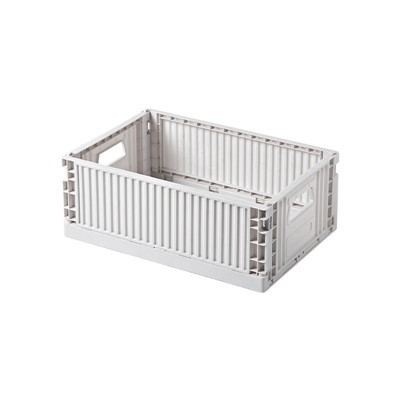
If you’re in the market for sealable food containers, whether for personal use or bulk orders for your business, we’re here to help. We can walk you through the different compartment configurations, test samples for your specific needs, and offer flexible pricing for large orders. Whether you’re a parent stocking up for school lunches, a meal prep company looking for reliable storage, or a café owner needing containers for takeout orders, we have the multi-compartment sealable containers that will keep your food fresh, separate, and mess-free. Reach out to us today to connect for a personalized consultation tailored to your needs.
Storage Box References
- U.S. Food and Drug Administration. (2022). Food Contact Materials: Plastics. Retrieved from FDA.gov
- National Sanitation Foundation International. (2021). Standard for Food Service Containers and Accessories. Retrieved from NSF.org
- Journal of Food Protection. (2020). Impact of Packaging Seal Integrity on Food Spoilage in Reusable Containers. Volume 83, Issue 12, pp. 1987-1994
- Sustainable Packaging Coalition. (2023). Reusable Food Containers: Lifecycle and Cost-Benefit Analysis for Commercial Use. Retrieved from SustainablePackaging.org
Hangzhou Cheerhope New Materials Co., Ltd.
As one of the most professional sealable food containers manufacturers and suppliers in China, we offer a wide range of products with superior quality. Please rest assured to wholesale bulk durable sealable food containers made in China here from our factory. Contact us for more discount information.
Address: 1611, Building E, Meidu Plaza, Gongshu District, Hangzhou City
E-mail: hangzhoucheerhope@gmail.com
WebSite: https://www.chinastoragebox.com/
