Hey guys, let’s cut to the chase—if you’ve ever sat down for a casual mahjong game with friends or a competitive tournament, you’ve probably noticed something most new players overlook: that little wooden (or plastic, or even fancy acrylic) rack each person leans their tiles against. If you’ve ever stared at it thinking “it’s just a holder, right?”, stick around. I’ve been in the mahjong supply game for 6+ years, shipping tiles and racks to everyone from weekend hobbyists to national tournament organizers, and let me tell you—this tiny piece of gear is way more important than it looks. Today, we’re breaking down exactly what a mahjong tile rack does, why it’s not just a “nice to have,” and how it’s changed the way players actually enjoy the game. Mahjong Tiles
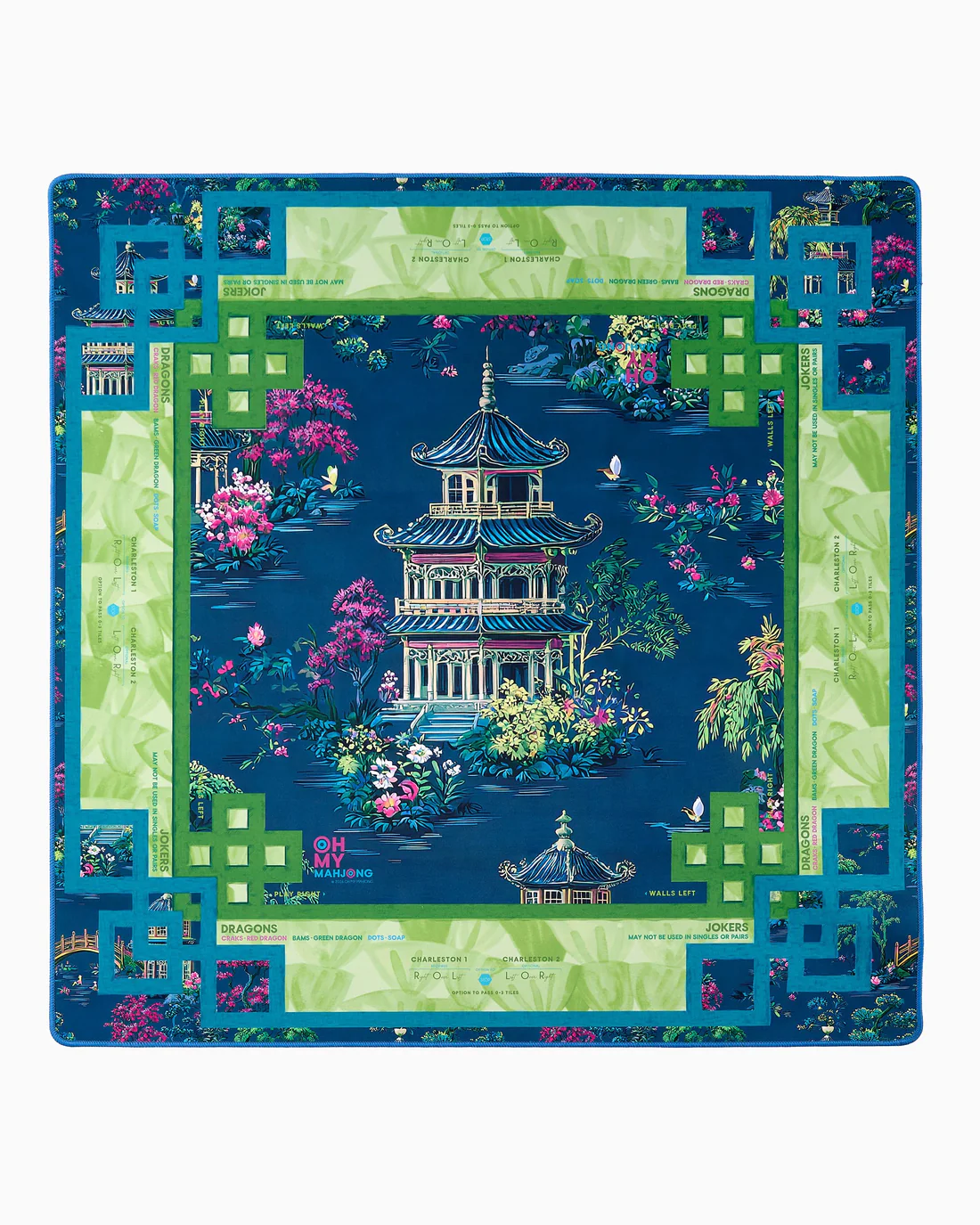
First off, let’s get the basics straight for anyone who’s a total newb here, or even if you’ve played a bunch but never thought about the logistics of your tiles. Mahjong, depending on the variant you play—whether it’s the classic Chinese 13-tile style, American 16-tile, or even the more casual mini versions you get for travel—each player keeps their set of tiles in front of them, usually stacked in neat rows. Before racks were common, people would just lay tiles flat on the table, hold them in their hands, or pile them up in random stacks if they were playing at home. Sound messy? Yeah, it is. And that’s where the rack comes in.
Let’s start with the most obvious function: organization. When you’re playing, you need to keep your tiles sorted so you can quickly scan for winning hands, call a “mahjong” when you need it, or grab the exact tile you need when another player discards something you want. Without a rack, you’re fumbling with tiles that slide around the table, get covered by other players’ discarded tiles, or even get knocked over if someone reaches for a drink (we’ve all been there—someone’s soda spills mid-round and ruins half a game). A rack holds your tiles in a tight, straight, rowed formation, usually 2 or 3 rows deep depending on the variant, so every tile is visible at a glance. No more squinting to see if you have a green dragon or a bamboo 8 hiding under a bunch of dots. No more digging through a pile of tiles to find the one you need. That’s a game-changer for both new players still memorizing tile names and experienced players who want to speed up their game.
But wait, there’s more. Let’s talk about accessibility, especially for anyone who’s playing for long periods. A standard mahjong game can run anywhere from 15 minutes for a casual round to a few hours for a competitive tournament. If you’re holding your tiles in your hands the whole time, your wrist is going to ache. I’ve heard stories from new players who’d give up after one game because their hand was cramping from holding 13 tiles upright in their palm. Racks eliminate that entirely—you set the rack on the table, lean your tiles into it, and your hand stays relaxed, resting gently on the edge of the rack instead of gripping 15+ tiles for hours. That’s not just comfort, it’s performance too. If you’re playing in a tournament, grip fatigue can throw off your focus, make you fumble when grabbing tiles, or even lead to misplays because you’re rushing to adjust your tiles. Racks take that physical strain off, so you can stay focused on the strategy, not your sore wrist.
Now, here’s a part most people don’t think about: fairness and table etiquette. Wait, a tile rack has to do with fairness? Let me explain. Early mahjong was played without racks, and some players would cheat by hiding tiles in their laps or under the table, swapping tiles out for better ones. Racks (especially the ones with little back stops or slot holders that keep tiles from falling out) make it way harder to sneak extra tiles or hide your hand. Because your tiles are all clearly visible on the rack, other players can tell exactly how many tiles you have, and if you follow tournament rules, you don’t move your rack or rearrange tiles in a way that’s not allowed. For casual games too, racks cut down on arguments. Have you ever had a friend swear they had a tile and you couldn’t see it under their stack? That’s solved when everything’s on the rack—no more “I swear it was there!” fights mid-game. It’s a small thing, but it keeps games friendly, whether you’re playing with your family or in a local mahjong club.
Let’s also talk about the different types of racks, because they’re not one-size-fits-all, and that’s a big part of why they work so well for different needs. I’ve sold everything from basic plastic racks for dollar store game sets to premium bamboo or hardwood racks for serious collectors and tournament players, and each one is designed for a specific use. The basic plastic ones, which are super common in travel mahjong sets, are light, foldable, and cheap—perfect if you’re bringing a game to a friend’s house or packing it in a suitcase. The ones with little notches along the top to hold tiles in place are my top sellers for casual play, because tiles don’t slide around even if the table is a little wobbly. Then there are the extended racks, usually used for American mahjong, where players have 16 tiles at the start—these are longer than standard racks, so you don’t have to squish your tiles into a too-small space, which cuts down on clutter. For seniors or players with hand mobility issues, I also sell lightweight, ergonomic racks that are easier to grip and set up, no bending or straining needed.
Wait, let’s get real for a second—there’s also a social part to this, right? Mahjong is a game that’s all about gathering, right? Whether it’s a weekly women’s group that meets every Wednesday, a group of buddies on a Saturday night, or a senior center that plays every morning, the setup is part of the fun. Racks come in fun colors and patterns now too—pastel ones for girls’ night, branded ones for club events, even ones with little mahjong symbols or custom engravings. I’ve had customers buy racks as gifts for friends who host monthly mahjong nights, because it’s a small, useful accessory that makes the game feel more intentional, not just something you pull out when you’re bored. Last year, a customer in Chicago bought 12 custom black racks for her neighborhood mahjong group, and she told me it became a running joke—everyone would show up early to set up their racks, and it made the whole night feel more special, not just another game.
But let’s not skip over the practical, on-the-table stuff for when you’re in a crowded space. If you’re playing at a large table or a tournament hall where there’s not a ton of space per player, racks keep your tiles compact and organized, so other players can reach their own space without bumping into your tiles. I’ve been to national mahjong tournaments where they use standard wood racks for every player, and the tables are set up just a little bigger than a regular card table, but the racks keep things tight without chaos. Without racks, tiles would spill over into other players’ areas, leading to arguments or slowdowns while everyone fixes their tiles. That’s a big deal for competitive play, where speed and focus matter a lot.
Wait, what about when you’re taking a break? Ever had to step away mid-game to grab a snack or use the bathroom? If your tiles are on the table, they’re either covered by other players’ discards or someone might accidentally bump the table and mess up your hand. A rack lets you stack your tiles firmly, so when you come back, your hand is exactly how you left it. No more having to re-sort all your tiles after a 10-minute break. That’s a small convenience, but it adds up, especially for long games.
Now, let’s address a common myth I hear all the time: “I can just make my own tile rack with a piece of cardboard or a binder, right?” Sure, you could. But here’s the thing—those DIY versions don’t hold tiles as securely, they’re flimsy, and they don’t have the right depth or notches to keep your rows straight. I’ve had so many customers come to me after trying a DIY rack that fell apart mid-game, or made their tiles slide and get mixed up, and they switched to the real thing. Racks are cheap too, let’s be honest—you can get a set of 4 plastic racks for less than $10, and wood ones are around $20-$30 for a set, which is way less frustrating than ruining a whole game because your makeshift holder breaks.
Let’s also think about tile longevity. Mahjong tiles are not cheap, especially the high-quality ones with durable plastic or resin surfaces, or even the stone ones that serious collectors love. If you’re stacking tiles loosely on the table, they can scratch each other, chip, or get scuffed from sliding around. Racks hold each tile upright and separate, so they don’t rub against each other. I’ve had customers tell me that their set of tiles is 10 years old and still looks brand new, because they’ve always used a rack. That’s a huge bonus—investing in a rack protects your tiles, so you don’t have to replace them every couple years because they’re scratched up.
Wait, I mentioned tournament play earlier—let’s dive a little deeper there, because that’s where racks get really standardized. The National Mah Jongg League (NMJL) and most international tournament rules require each player to use a rack to hold their tiles. Why? Because of fairness and consistency. Tournament play has very specific rules about how many tiles each player has, how you arrange your hand, and when you can rearrange tiles. A rack ensures that every player’s setup is the same, no cheating, no misinterpretations. If you’ve ever watched a professional mahjong tournament online, you’ll notice every single player has a rack in front of them— it’s non-negotiable. I’ve supplied racks to several regional tournament organizers, and they tell me that having consistent, high-quality racks is part of making the tournament run smoothly and feel official for players.
Now, let’s shift to something relatable for casual players, not just tournament folks. I talked earlier about hand fatigue, but that’s extra true for people with arthritis or other hand issues. A lot of my customers are seniors who play mahjong as a social activity, and they tell me that holding tiles in their hands for hours is painful. Racks let them play for longer, stay social, and not be limited by physical discomfort. I even make a point to stock lighter, easier-to-grip racks for this group, because accessibility is super important to me. Mahjong is supposed to be a fun, inclusive game for everyone, and small accessories like racks help make that happen.
Let’s not forget about the little, unexpected uses. Wait, some people use their mahjong racks for other things? No, wait—no, let’s stay on topic. Wait, another thing: when you’re playing variants like riichi mahjong, which is super popular in parts of Asia, the rack has specific rules too. In riichi, you have to discard tiles face down, and your rack keeps your remaining tiles face up, which is part of the game’s strategy—other players can see what you have, so you have to bluff with your discards. That’s part of the game’s flow, and it only works because your tiles are on a rack, easy to see. If your tiles were all mixed up on the table, that bluffing aspect wouldn’t exist.
Okay, let’s wrap this up, because I’ve been rambling a little (sorry, I get excited talking about mahjong gear). The mahjong tile rack isn’t just a random holder—it’s an organizational tool, a comfort aid, a fairness guard, a social helper, and a protector for your tiles all rolled into one. For new players, it eliminates the mess and frustration of keeping track of tiles. For casual players, it makes game nights smoother and more fun. For competitive players, it’s a required piece of gear that keeps tournaments fair and running on time. For anyone who plays regularly, it’s a small investment that makes a huge difference in how much you enjoy the game.
If you’re reading this and realizing you’ve been playing without a rack, or your old rack is flimsy and falling apart, I’ve got you. I stock racks for every type of player, from budget plastic sets for family game nights to premium hardwood racks for tournament use and custom designs for groups. Whether you need a set of 4 for your weekly game, extra racks for a mahjong club, or even specialty racks for event use, just reach out to talk through what you need. I’m happy to help you pick the right fit, no pushy sales talk, just advice from someone who’s been in this game for years and cares about making sure everyone has a good experience playing mahjong.

Before I go, let’s leave this as a takeaway: next time you play a game of mahjong, take a quick look at your rack. It’s the unsung hero of the table, and it’s one small piece of gear that makes the whole game work. Don’t sleep on it, and if you’re in the market for a new one, I’m here to help.
Melamine Tiles References:
- National Mah Jongg League. Official Tournament Rules, 2024.
- World Mahjong Organization. Standard Equipment Specifications for Competitive Play, 2023.
- "Mahjong Accessory Guide: Racks and Holders." Board Game Geek, 2022.
- Local Senior Gaming Association. Accessible Mahjong Gear Recommendations, 2021.
Dasen Mahjong
Dasen Mahjong is one of the most experienced mahjong tiles manufacturers and suppliers in China. We are committed to providing high quality customized mahjong sets with competitive price. Please feel free to buy the newest mahjong tiles in stock here from our factory. Welcome to contact us for free sample.
Address: 2nd Floor, Cixi Ouhua Electronics Co., Ltd., No.814 Sanbei East Road, Cixi City, Ningbo City
E-mail: 15690362058@163.com
WebSite: https://www.dasenmahjong.com/
