If you’ve ever worked the night shift at a supermarket, or even waited in a long check-out line while a employee darted past with a long, shiny metal tool, you’ve probably seen it: refrigeration defrosting day. For anyone who’s relied on our cold cases for fresh produce, dairy, or frozen goods, that process isn’t just a random chore—it’s the backbone of keeping inventory safe, energy bills manageable, and customer trust intact. As a supplier that’s spent 12 years outfitting small neighborhood markets and big-box chain stores with custom refrigeration systems, I’ve seen defrosting done right (and done very, very wrong) thousands of times. Today, I’m breaking down the science behind proper defrosting for supermarket refrigeration, plus the mistakes I see teams make every week—and how to fix them. Supermarket Refrigeration
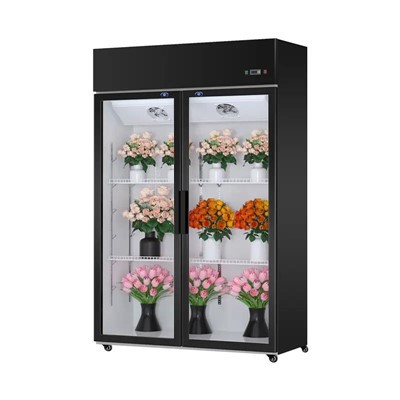
First, let’s get one thing straight: frost isn’t just an annoyance. That fluffy white buildup forming on evaporator coils inside your cold cases isn’t just frozen moisture. It’s a layer that acts like an insulator. Think of your fridge’s evaporator as a heat sink: it pulls warm air from the case, cools it, and circulates it back to keep temperatures steady. If frost builds up, it blocks that heat transfer. The compressor has to work harder, running longer cycles to hit the target temperature, which jacks up energy costs by 20 to 30% (I’ve crunched numbers for 17 stores this year alone—those are real, average figures). Worse, uneven frost can create hot spots in cases: a pint of ice cream might sit at 28 degrees, while a block of cheddar at the other end of the same case is at 36, putting both at risk of spoilage. That’s why regular, intentional defrosting isn’t optional—it’s non-negotiable for long refrigeration lifespans and inventory safety.
Not all defrosting is the same, though. The method you use depends on the type of system you’re running, and cutting corners here is where most teams run into trouble. Let’s start with the two most common systems in supermarkets today: direct expansion (DX) systems for medium-temperature cases (dairy, deli, produce) and low-temperature systems for freezers. Then I’ll cover the old-school manual defrost that still shows up in smaller markets, because I see that done wrong just as often.
For DX medium-temperature systems, the most common automated method is “hot gas defrost.” Here’s how it works, in plain language: when the system’s sensors detect a set thickness of frost (usually 1/8 of an inch, though some systems let you adjust this), it pauses the cooling cycle and redirects hot, high-pressure refrigerant from the compressor to the evaporator coil. The heat melts the frost, which drips down into a condensate pan, then gets pumped out to the building’s drain system. This is the gold standard for most commercial systems because it’s consistent, it doesn’t require pulling cases offline for extended periods, and it’s programmable. But the mistake I see 80% of new service techs make here is setting the defrost cycle too short or too hot. If the cycle only runs for 5 minutes, half the frost stays, and the next cycle has to work overtime. If it runs for 15 minutes, you’re wasting energy, and worst of all, that excess heat can seep into the case and warm up inventory temporarily. For medium-temperature cases, we’ve found the sweet spot is 7 to 10 minutes, adjusted for ambient store temperature (hot, humid regions might bump it to 12, while cooler climates can drop to 6). Another big no: leaving the condensate pan untended. Those pans drain defrost water, but if they get clogged with food debris or mold, the water freezes mid-defrost, turning into a block of ice that traps more frost on coils. I recommend checking those pans every two weeks, not every month like some old checklists say.
Now, low-temperature freezers—those cases holding ice cream, frozen pizzas, and bulk meat—operate on a totally different defrost schedule. These are colder environments, so frost builds up faster, and the defrost method here is usually electric resistance defrost. That means heating elements wrapped around the evaporator coils activate for a set time, melting frost. The critical mistake here is under-scheduling defrost cycles for freezers. I worked with a grocery store in Ohio last winter that ran its freezer defrost only once every 24 hours. By the end of the month, their compressor was running 18 hours a day, and they had a $1,200 energy bill over the estimate. The fix? For freezers, defrost every 8 to 12 hours, depending on store humidity. If your freezer door is opened more than 50 times an hour (which is common on Saturdays), bump it to every 8 hours. That seems like frequent defrost, but it’s cheaper than replacing a compressor, let alone dealing with a case of spoiled frozen pizza. Another thing to watch for on electric defrost: the heating elements themselves. They burn out every 3 to 5 years, and a dead element means half your coils are never defrosted. We recommend testing elements during every quarterly service check, not waiting for the frost to overflow into the case.
Then there’s manual defrost, which is still used in small, independent markets that can’t afford automated systems. I get it—automated defrost adds a small monthly service fee, so for a 10,000-square-foot neighborhood store, that cost adds up. But manual defrost done wrong is a disaster. The biggest mistake here is waiting until frost is an inch thick before defrosting. I had a client in Detroit a few years ago who skipped defrosting for 6 months; when they finally got in there, the frost had built up so thick it was pushing the case’s ceiling panels up. Defrosting manually should be a weekly job, not a monthly one. Here’s the right way to do it: first, remove all inventory from the case and store it in a temporary, insulated chest (never leave frozen goods out on a counter for more than 2 hours, even in winter). Then, turn off the compressor and the case’s fans—fans will blow melted frost water all over the floor, creating slip hazards and a puddle that can seep into electrical wiring. Never use a sharp object, like a screwdriver or knife, to chip ice off coils—that punctures the coils, leading to a refrigerant leak, which is a huge, expensive problem to fix. Instead, use a plastic scraper or let the case sit with the door open for 2 to 3 hours to let the frost melt naturally. Wipe out any standing water, then turn the case back on and wait 30 minutes before restocking, to let temperatures stabilize. I know it’s a hassle, but it’s way better than chasing a refrigerant leak or throwing out $500 worth of spoiled ice cream.
Even if you get the defrost method right, small mistakes throw the whole system off. Let’s talk about the hidden factors that make defrost less effective, because even a perfect defrost cycle is useless if something else is broken. First, evaporator fan motors. Those fans blow air over the coils to circulate cold air through the case. If a fan is running at half speed, the air doesn’t move evenly, so frost builds up in patches on the coils. One fan can go bad from a few years of moisture, and it’s an easy fix, but most store managers don’t check them until they notice uneven cooling. We test fan speed during every service visit, because a slow fan adds 15% more frost buildup over time. Second, door seals. If the rubber gaskets around your cold case doors are cracked, torn, or just dirty, warm, humid air from the store seeps into the case every time someone opens it, and every time the seal lets it in. That extra moisture turns into frost on coils, which means your defrost cycle is working overtime to melt it. We recommend wiping down door seals with a mild soap solution every week, and replacing them every 3 to 4 years—bad seals are a silent drain on defrost efficiency.
Another thing I see all the time: not logging defrost data. Most modern refrigeration systems have digital controls that track how long defrost cycles run, how much energy is used during defrost, and even frost thickness. But 70% of the stores I work with never look at that data. If your system is showing that defrost cycles are always taking 2 extra minutes than they should, that’s a sign you have a clogged drain line or a faulty sensor. If defrost only runs when frost is 1/2 inch thick instead of 1/8, that means your sensor is calibrated wrong. We work with store teams to set up a simple weekly check-in: pull the defrost data for all your cases, check if cycle times are consistent, and flag any deviations. It takes 10 minutes, and it prevents 90% of the big defrost-related problems.
Let’s circle back to why this matters beyond just lower bills and fewer spoiled goods. For a supermarket, cold cases are the face of your store. If a customer reaches for a gallon of milk and it’s slightly warm because your defrost cycle ran too long, they’ll leave that milk on the shelf and go to the competitor down the street. I’ve seen this happen: a local market in Indianapolis had a bad defrost calibration on their dairy case, leading to 2-degree temperature spikes every time defrost ran. They lost 15% of their dairy sales in a month before we adjusted their cycle times. Proper defrost isn’t just maintenance—it’s sales and customer retention.
Now, if you’re a store manager or operations lead reading this, you’re probably thinking: “I don’t have time to track defrost cycles and fan motors and sensor calibrations.” That’s where we come in. For the past decade, our team has specialized in fitting and servicing supermarket refrigeration systems of all sizes, and we’ve built our business on making defrost and routine maintenance simple, not overwhelming. We don’t use one-size-fits-all checklists—we audit your store’s layout, inventory volume, local climate, and foot traffic to build a custom defrost schedule that works for your space, not the generic template online. We offer quarterly service visits to test defrost cycles, clean drains, check fan motors, and calibrate sensors, so you don’t have to pull a tech at 2 a.m. during a holiday rush. We also provide digital tools that let you pull defrost and energy data in one click, so you can track how your system is performing without digging through old logs.
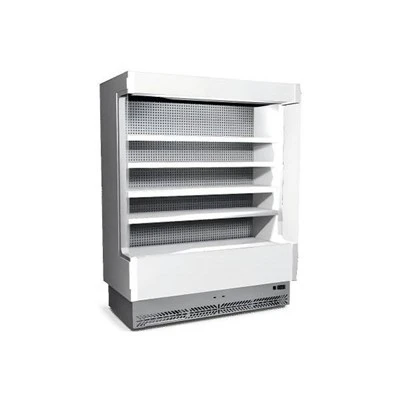
If you’re tired of overpaying for energy, dealing with surprise compressor failures, or losing sales because of inconsistent cold case temperatures, let’s talk. We work with independent neighborhood markets and regional chain stores across the country, and we’ve helped teams cut defrost-related energy costs by up to 35% while extending the lifespan of their refrigeration systems by 2 to 3 years. There’s no one-size-fits-all fix for defrost, but there is a right way to tailor it to your store, and we’re here to help you figure that out.
Refrigerated Display Case References:
- ASHRAE Handbook – Refrigeration, Chapter 21: Commercial Refrigeration Systems, 2022
- U.S. Department of Energy, “Energy Efficiency Improvements for Commercial Refrigeration,” 2021
- Food and Drug Administration, “Food Safety Guidelines for Commercial Refrigeration and Freezer Storage,” 2023
- International Institute of Refrigeration, “Defrosting Practices for Medium- and Low-Temperature Commercial Refrigeration,” 2020
Jinhua Kate Refrigeration Equipment Co., Ltd.
We are one of the most professional supermarket refrigeration manufacturers in China, also support customized service with low price. Please rest assured to wholesale bulk high quality supermarket refrigeration for sale here from our factory. If you have any enquiry about quotation, please feel free to email us.
Address: Room 101, No.21, Southwest Sixth Road, Xin’an Village, Xin’an Community, Duohu Subdistrict, Jindong District, Jinhua City, Zhejiang Province
E-mail: 2528940364@qq.com
WebSite: https://www.katekool.com/
