If you’ve ever driven past a rural construction site or heard stories of teams drilling for clean water in remote communities, there’s a good chance a mobile water well drilling rig was behind the work. For years, I’ve supplied these rigs to contractors, nonprofits, and government teams across North America, and I can say from hands-on experience that they’re far more than just a piece of heavy equipment—they’re the backbone of reliable access to groundwater, especially in areas without municipal water lines. Let’s break down what they are, how they work, and why they matter for anyone in the water well industry. Water Well Drilling Rig
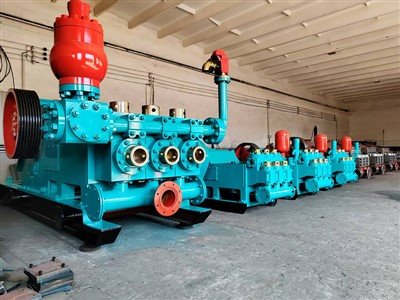
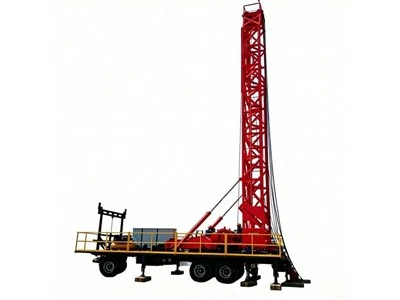
A mobile water well drilling rig is a self-contained, wheeled or tracked machine purpose-built to drill vertical wells into underground aquifers, with the ability to move easily between job sites. Unlike stationary drilling rigs that require weeks of setup and can’t be relocated quickly, these rigs are designed for portability—an essential feature for jobs where access is limited. Most are mounted on a heavy-duty truck chassis or tracked undercarriage, with smaller models even fitting on trailers for smaller-scale projects like residential well installations. At their core, they combine a drill mast (the tall vertical arm that holds the drill pipe), a rotary drive system to twist the pipe into the earth, mud pumps to flush cuttings to the surface, and a diesel or electric engine to power all components.
What sets mobile rigs apart from other drilling equipment is their adaptability. They’re built to handle a range of ground conditions, from soft sandy soils to hard rock formations, which makes them versatile for everything from a 100-foot residential well to a 1,000-foot commercial or agricultural well. I’ve supplied rigs to teams drilling for water in rural Texas where the terrain is mostly flat sandy plains, and others used in the Rocky Mountains where they had to navigate steep, uneven slopes—both required the same core features, just adjusted for ground type.
Let’s walk through how a typical mobile water well drilling rig operates, because it’s not just pointing a machine at the ground and drilling. First, the rig is positioned at the drill site, often leveled with stabilizers to keep it steady while drilling—this is a critical step, as even a small tilt can throw off the well’s vertical alignment. Next, the drill operator connects sections of drill pipe, adding them one by one as the mast lowers the pipe deeper into the ground. The rotary drive spins the pipe, while high-pressure mud is pumped down the center of the drill bit. That mud does three key jobs: it cools the drill bit (which would otherwise overheat from friction), flushes rock and soil cuttings up to the surface so they don’t clog the hole, and forms a temporary wall around the well to prevent the sides from collapsing before the casing is installed.
Once the rig reaches the target aquifer, the process shifts. The drill pipe is removed, and a steel or PVC casing is lowered into the hole to line the well, preventing it from caving in. Gravel is packed around the outside of the casing (a step called “gravel packing”) to create a filter that lets water seep into the well while keeping sediment out. Finally, a well pump is installed to bring groundwater to the surface. A good mobile rig makes each of these steps faster and more precise than manual or semi-portable methods, cutting down on job time and reducing costs for clients.
Now, I’ve seen a lot of misconceptions about mobile water well drilling rigs from new contractors and first-time buyers. Some people think all rigs are the same, but that couldn’t be further from the truth. There are three main categories of mobile rigs, each tailored to different uses, and getting the right one is make or break for a drilling business. The first is light-duty trailer-mounted rigs, which are 18,000 to 26,000 pounds, perfect for residential wells (usually 100 to 500 feet deep) or small water systems. They’re easy to tow with a pickup truck, so a two-person crew can set up and start drilling in a day. I recently sold a pair of these to a small drilling startup in Ohio that focuses on residential installations; they told me the portability let them take on 12 more jobs in their first year than they could with their old stationary equipment.
Next are medium-duty truck-mounted rigs, which weigh 26,000 to 45,000 pounds, designed for deeper wells (500 to 1,500 feet) and moderate ground conditions. These are the workhorses for mid-sized drilling companies, able to handle both residential and small agricultural projects. They have more power than trailer models, can carry more drill pipe on board, and often include on-board mud mixing systems so crews don’t have to haul extra materials to the site. The third category is heavy-duty tracked or truck-mounted rigs, which weigh over 45,000 pounds, built for deep wells (1,500 to 5,000+ feet) and hard rock terrain like granite or basalt. These rigs are used for commercial projects, municipal water supplies, and remote communities where access is tough. I supplied one of these to a team drilling for a new public water source in northern Minnesota, where the terrain is marshy and rocky— the tracked undercarriage let them navigate soft ground without getting stuck, and the 1,200-horsepower engine drilled through 200 feet of granite in just 10 days, a job that would have taken twice as long with less powerful equipment.
One of the biggest benefits of mobile water well drilling rigs is their impact on communities, especially in areas without access to clean municipal water. I’ve worked with a nonprofit that used mid-sized truck-mounted rigs to drill wells in rural villages in Central America, where before, families had to walk 3 miles every day to fetch contaminated water. The rigs let local crews drill wells in a matter of days, providing safe water for hundreds of people. During droughts, these rigs also become critical for agricultural operations, which rely on groundwater to water crops when rainfall is scarce. Last year, I sold a heavy-duty rig to a farm cooperative in Kansas that was struggling with low aquifer levels; within six months, they drilled three new wells that saved their corn crop from total loss.
Of course, like any heavy equipment, mobile rigs require proper maintenance to keep running efficiently. From my experience, regular checks of the drill mast’s hydraulic system, replacing worn drill bits, and flushing the mud pump after each job are non-negotiable. I always tell new buyers to invest in operator training too— a great rig is only as good as the person running it. A skilled operator can adjust drilling speed based on ground type, fix small issues on the fly, and make sure the well is drilled to the exact specifications needed, which avoids costly mistakes later.
If you’re in the market for a mobile water well drilling rig, whether you’re a new contractor looking to start your business, an established company upgrading your equipment, or a nonprofit planning a community water project, there are a few key factors to consider. First, match the rig size to your typical job type: a light-duty trailer rig is great for small residential work, but if you’re drilling 1,000-foot agricultural wells, you’ll need a medium or heavy-duty model. Second, look for features that matter to your work: do you need a rig with on-board mud mixing? Tracked undercarriage for rough terrain? Or a model with remote monitoring, which lets you track drilling progress and machine health from your office? Third, don’t overlook after-sales support. A rig is a big investment, and you’ll want a supplier that offers parts, service, and training, so you don’t get stuck with a broken machine mid-job.
Over the years, I’ve seen the demand for mobile water well drilling rigs grow steadily, as more communities and operations recognize the value of reliable groundwater access. Whether it’s a new housing development needing residential wells, a city expanding its municipal water system, or a remote village getting its first clean water source, these rigs are at the center of it all. They’re not just pieces of metal and engines—they’re tools that create opportunity, support agriculture, and improve quality of life for people around the world.
If you’re ready to explore the right mobile water well drilling rig for your needs, or have questions about how these machines can work for your next project, feel free to reach out to our team to discuss your requirements and find the perfect solution. We’re here to help you make an informed choice, whether you’re a small operation or a large-scale drilling company.
Mud Pump References
- Ground Water Association. (2022). Mobile Drilling Rig Best Practices for Water Well Construction. National Driller Journal.
- U.S. Environmental Protection Agency. (2021). Groundwater Access and Drilling Technologies for Rural Communities. EPA Office of Water.
- International Association of Drilling Contractors. (2023). Mobile Drilling Equipment Specifications and Performance Standards. IADC Technical Report.
- American Water Works Association. (2022). Deep Water Well Drilling for Municipal and Agricultural Applications. AWWA Journal.
- Drilling Contractors Association of America. (2021). Rig Portability and Job Site Efficiency Case Studies. DCAA Industry Report.
Hebei Zhongxin Machinery Equipment Co., Ltd.
As one of the most experienced water well drilling rig manufacturers in China, we also support customized service. We warmly welcome you to buy high quality water well drilling rig for sale here from our factory. If you have any enquiry about pricelist, please feel free to email us.
Address: Wangxizhang Industrial Zone, Zhao County, Shijiazhuang City, Hebei Province, China
E-mail: zxnjbzg@163.com
WebSite: https://www.hbzxdrilling.com/
