Hey everyone, let’s cut to the chase – if you’ve ever shopped for outdoor gear, workwear, or even those fancy tech jackets lately, you’ve definitely seen “ultra fabrics” thrown around like they’re some sort of magic bullet for all things wet. As someone who’s been supplying these bad boys to brands and manufacturers for over 8 years now, I get so many DMs, emails, and even random in-store questions that all boil down to the same thing: “Are ultra fabrics actually water resistant, or is it just another marketing gimmick?” Ultra Fabrics
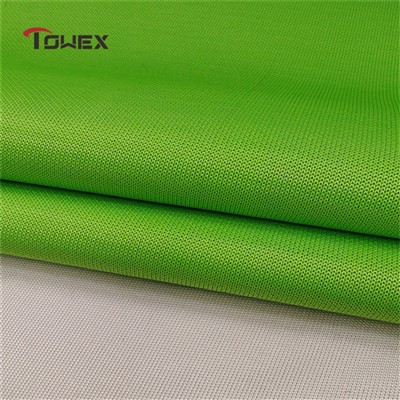
First off, let’s get one thing straight – there’s no one-size-fits-all answer here. “Ultra fabric” isn’t a regulated term, right? It’s not like “waterproof” which has actual testing standards (thanks, ISO and ASTM folks). Instead, it’s a broad label brands slap on materials that are lighter, stronger, and higher-performing than your average polyester or cotton. Think microfibers, nanocoatings, high-tensile woven blends, that stuff. So when someone says “ultra fabrics,” they could be talking about a 100% polyester microfiber for a hiking shirt, a composite fabric with a polyurethane (PU) membrane for rain pants, or even a next-gen material with that durable water repellent (DWR) coating everyone’s geeking out over. Let’s break this down like we’re chatting over coffee, no jargon dumps, promise.
Let’s start with the most common question: what’s the actual difference between water resistant and waterproof? I know, everyone uses them interchangeably, but they’re night and day. Waterproof means no water gets through, period – you could dump a bucket on it, hold it under a faucet for 10 minutes, and the inside stays dry. Water resistant? That’s a barrier against light rain, splashes, or snow, but hold it under a running hose for 2 minutes and it’ll start seeping through. Ultra fabrics lean hard into water resistance, but some of the top-tier ones we supply can hit waterproof numbers too – it just depends on the construction.
Now, let’s talk about the science behind why these fabrics handle water differently than, say, your old cotton hoodie. Cotton is terrible for wetness because it absorbs water like a sponge – it’s hydrophilic, meaning water molecules stick to its fibers. Ultra fabrics, on the other hand? Most are hydrophobic, or water-fearing. Their fibers are either super tightly woven (like microfibers so thin you can’t even see individual threads) or coated with that DWR stuff (we’re talking fluoropolymers, but let’s just call it the “magic water bead coating”). When water hits a hydrophobic ultra fabric, it forms little round beads that roll right off instead of soaking in – that’s the beading effect you’ve seen on high-end gear.
But here’s the part most brands won’t tell you – that DWR coating isn’t permanent. It wears off. If you wash your favorite ultra fabric jacket with regular detergent, that detergent has chemicals that break down the DWR way faster. Use a harsh dryer sheet? Same thing. Even rubbing the fabric against backpack straps or the back of your chair can chip away at that coating over time. We’ve had clients come to us upset because their “waterproof” ultra raincoat got soaked after a month – turns out they washed it with their regular workout gear, not the technical wash recommended. So that initial water resistance? It’s only as good as how you care for the fabric, and which type of ultra fabric you’re working with.
Let’s get specific about the types of ultra fabrics we supply, because not all are built the same. First, there’s microfiber woven ultra fabrics – these are super lightweight, stretchy, and used for things like activewear, hiking base layers, and even backpack liners. Most of these have a light DWR coating, so they’re good for light rain or sweat, but if you’re stuck in a downpour, they’ll let water through eventually. Then there’s composite ultra fabrics – these have a thin membrane (PU, ePTFE, the stuff Gore-Tex is made of) sandwiched between two layers of fabric. This is where we get into actual waterproof territory for ultra fabrics. The membrane has tiny pores that are too small for water, but big enough to let sweat out – that’s why you hear “breathable waterproof” gear. The catch here? If the membrane gets damaged (a sharp rock snags it, or a zipper breaks), that’s a hole for water to get in, no amount of DWR is fixing that.
We also supply nano-coated ultra fabrics – these are newer, made with nanoparticles bonded directly to the fibers instead of a separate DWR layer. The benefit? They’re more durable than regular DWR, so they keep their water resistance longer, even after a dozen washes. We’ve tested these ourselves with a client’s trail running jackets – after 15 washes with technical detergent, the nano-coated fabric still beaded water like it was brand new, while their old DWR-treated jackets were soaking through in 10 minutes. That’s the difference between a gimmick and actual performance, right?
Wait, let’s bust a myth right now: ultra fabrics don’t “repel” 100% of water forever. No fabric does, unless it’s something like rubber or vinyl, and those are heavy, not ultra-light. The best ultra fabrics on the market (the ones we supply to outdoor and workwear brands) will give you 12-24 months of consistent water resistance for everyday use, longer if you take care of them. If you’re using them for heavy rain or industrial work? You’ll want to opt for the composite membrane type, and you’ll probably have to reapply DWR or a nano-coating every 6-12 months to keep it up.
I get it, you don’t want to drop $200 on a jacket that’s only water resistant for a month. That’s why when we work with new brands, we walk them through exactly which ultra fabric to pick for their product. A hiking shirt that only gets light rain? Microfiber with a light DWR. A construction vest that has to stand up to rain all day? Composite membrane ultra fabric with reinforced seams. A backpack liner that just needs to keep sweat and small splashes out? Nano-coated poly-blend ultra fabric. It’s all about matching the fabric to the use case, not just slapping the “ultra” label on something and calling it a day.
Let’s talk about real-world tests, because that’s what matters. Last year we did a demo with a local outdoor brand – we took three identical ultra fabric samples: our microfiber DWR, our composite membrane, and our nano-coated woven. We sprayed each with a steady stream of water for 10 minutes, then checked for seepage. The composite membrane? ZERO water on the inside. The nano-coated woven? Only a tiny spot at the edge, where the weave was a little loose. The basic DWR microfiber? Full on wet, water was soaking through within 3 minutes. That’s not marketing, that’s what happens when you test the actual materials we supply.
Another thing people miss: seam sealing. Even if you have the best water resistant ultra fabric in the world, if the seams aren’t sealed, water will get in through the stitching holes. That’s why all the top brands we work with use heat-sealed or taped seams on their rain gear – that extra step is what turns “water resistant fabric” into a functional piece of waterproof gear. We always remind our clients that the fabric is only half the battle; the construction matters too.
Now, let’s address the elephant in the room: is it worth paying extra for ultra fabrics for water resistance? For most people, yes – if you’re active, if you work outdoors, if you hate being soaked through on your commute or hike. Your old cotton jacket gets heavy when wet, takes 3 days to dry, and makes you cold. Ultra fabrics stay light, dry fast, and keep you dry longer. But if you just want a casual jacket for running to the grocery store? A regular polyester jacket with a $5 DWR coating is probably enough, no need to spring for ultra fabrics.
Here’s the thing I wish more people knew about ultra fabrics and water resistance: it’s not a yes or no question, it’s a spectrum. The label “ultra” just means it’s a step up in performance from standard materials, and their water resistance depends on how they’re made, coated, and cared for. When we source and supply these fabrics, we test every batch for water repellency, stretch, durability, all that stuff, so our clients know exactly what they’re getting. We don’t lie and say they’re 100% waterproof forever – we tell them, “This fabric is water resistant up to 8000mm pressure, which is enough for heavy rain, and will keep its resistance for 18 months if you wash it with technical detergent.” That’s the honest stuff, no smoke and mirrors.
So, if you’re out there shopping for gear with ultra fabrics, don’t just go by the label. Ask the brand what type of fabric it is, what kind of testing it’s done, how to care for it to keep the water resistance up. If you’re a brand looking to source ultra fabrics for your next line, hit us up. We don’t do one-size-fits-all, we’ll walk you through which type of ultra fabric will work for your product, your use case, and your budget. No hard sells, no fine print, just straight answers about how these fabrics actually perform when it comes to water.
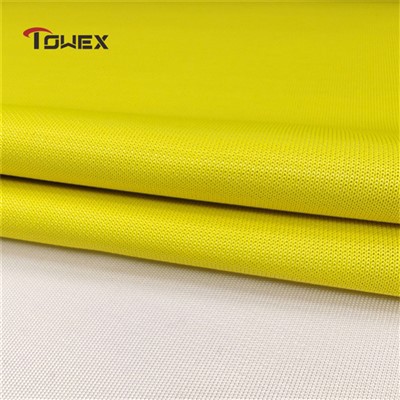
At the end of the day, ultra fabrics aren’t magic – but they’re way better than standard materials when it comes to water resistance, as long as you pick the right one and take care of it. If you’ve had a bad experience with an ultra fabric that got soaked? Probably because it was the wrong type for your needs, or you were washing it wrong. We’ve all been there, trust me. Now go test your own gear – spray it with water, see if it beads up. If it doesn’t? Time to reapply that DWR, or maybe upgrade to a better ultra fabric.
Bulletproof Helmet References
- International Organization for Standardization. (2019). Textiles – Determination of water repellency of fabrics by the rain test (ISO 4920:2019).
- American Society for Testing and Materials. (2021). Standard test method for water resistance of coated fabrics (hydrostatic pressure) (ASTM D751-21).
- Zhang, L., et al. (2022). Hydrophobic nanocoatings for textile applications: A review. Journal of Applied Polymer Science, 139(18), 52145.
- Outdoor Industry Association. (2023). Technical care guidelines for performance outerwear.
Jiaxing Towex New Materials Co., Ltd.
Jiaxing Towex New Materials Co., Ltd. is one of the most experienced ultra fabrics manufacturers and suppliers in China, also supports customized service with low price. Please feel free to buy bulk high quality ultra fabrics in stock here from our factory. Contact us for quotation.
Address: Building 1666, Wuzhen High-tech Zone, Tongxiang City, Zhejiang Province
E-mail: sales@towextech.com
WebSite: https://www.topuhmwpe.com/
