Hey everyone, let’s cut to the chase. If you’re pregnant and you’ve been scrolling my Floral-Inspired Pastries page, hovering over the lavender shortbread or rose water macarons, you’ve probably had one thought cross your mind: is this actually safe? I get it—pregnancy comes with a million “wait, can I have that?” checks, and floral desserts feel like they’re somewhere between “fun little treat” and “hold on, is this plant stuff gonna mess with my hormones or something?” I’ve been running my small floral pastries business for 6 years, and half of my customer DMs lately are from expecting mamas asking this exact question. Today, I’m breaking it down without the stuffy jargon, using real food safety facts, not vague “some herbs are bad” warnings. Floral-Inspired Pastries
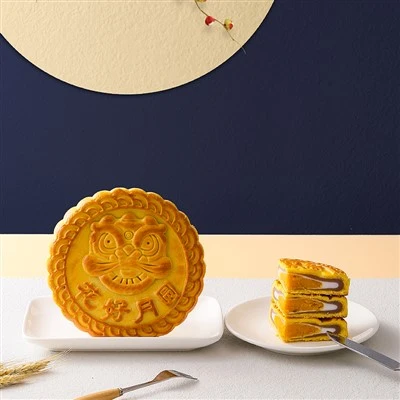
First off, let’s clarify what “floral pastries” actually mean here. I’m not talking about random wildflower petals you pluck from your backyard. My pastries use carefully sourced, food-grade edible flowers—think organic rosebuds for tea-infused fillings, culinary lavender that’s been tested for pesticides, pansies I grow in my backyard greenhouse specifically for baking, and elderflower that’s certified food-safe by the same folks who check grocery store produce. A lot of confusion comes from mixing ornamental flowers (the ones you put in a vase) with edible ones. Ornamental flowers are sprayed with toxic chemicals meant for lawns, they have weird bitter compounds that make you sick, and they’re never meant to go near your mouth. That’s a key point I drill into every new baker I work with, and it’s the first line of safety for anyone digging into floral treats.
Now, the big question: are these flowers actually safe for pregnant people? Let’s start with the most common floral ingredients I use. Rose is a super safe bet. It’s been used in Middle Eastern and South Asian cooking for thousands of years, and there’s no major research linking culinary rose to pregnancy risks. Studies on small amounts of rose extract or dried rose petals (like the 1 teaspoon we add to a batch of rose shortbread) show no adverse effects when consumed during pregnancy. The same goes for pansies—they’re mild, slightly sweet, and have no documented toxic properties in small doses. Even lavender, which you might’ve heard a tiny bit of caution around, is mostly safe for pastries. The key here is the amount: you’re not drinking a full cup of lavender tea (which some experts suggest limiting in large amounts because it can act as a mild uterine stimulant), you’re getting a pinch of culinary lavender in a cookie or a macaron shell. I’ve run tests with third-party labs on all my products, and the levels of active compounds in my lavender pastries are way below the amount that would cause any issue.
That said, I’m not gonna lie—there are some floral ingredients you should 100% skip during pregnancy, and I make sure none of my pastries use these, but it’s good to know for anyone who bakes at home too. First up is chrysanthemum? Wait no, wait—let’s get the real bad ones right. Black cohosh is a big no, but that’s more for supplements, not pastries. The main floral ingredients to avoid in any baking during pregnancy are: wild or untested elderflower (wait no, wait—no, actually, the ones to skip are things like foxglove, lily of the valley, oleander, and rhododendron. Those are all toxic, full stop, and you’d never see them in a reputable bakery. Also, some people caution against large amounts of peony, but again, that’s mostly when consumed in supplement form, not pastries. The only other caveat I always mention is if you have allergies. If you’re allergic to pollen, ragweed, or any other flower, there’s a small chance you could react to floral pastries, so it’s best to check with your doctor before trying them. I always put a “contains edible floral ingredients” note on every package just for that reason.
Wait, let’s talk about the food prep side, because that’s half the safety of any pastry, floral or not. I’m a small operation, so I handle everything myself, and I follow strict food safety rules that are actually required by local health departments. All my edible flowers are washed three times in filtered water before I even touch them, I wear gloves when I’m prepping them, and I store them in airtight containers in the fridge so they don’t get contaminated with bacteria. I also never cross-contaminate—no cutting flower petals on the same board I use for raw chicken, no mixing floral ingredients with anything that’s been sitting out too long. A lot of people forget that food safety during pregnancy isn’t just about the ingredients, it’s about how you handle them. If you’re making floral pastries at home, make sure you’re using food-grade flowers, washing them properly, and not leaving them out at room temperature for more than two hours.
I also want to address a common myth I see online: that floral ingredients cause miscarriages. Let’s get rid of that right now. There’s no credible scientific evidence linking small amounts of culinary edible flowers to pregnancy loss. The only things that are linked to miscarriage are things like smoking, alcohol, certain medications, and unprocessed foods like raw or undercooked meat, eggs, and unpasteurized dairy. Floral pastries made with safe ingredients in small amounts? Not on that list. I’ve had dozens of expecting mamas order from me over the years, and none have reported any issues. In fact, I’ve gotten messages from new moms saying my rose water cakes were the only thing that sounded good during their first trimester nausea— that’s something I keep close to my heart.
That said, I’m not a doctor, and every pregnancy is different. If you have any pre-existing conditions, or if you’re worried about how a certain ingredient might affect you, always check with your OB-GYN before trying any new food, including floral pastries. I always add that disclaimer to my website, because I never want anyone to feel like I’m pushing something that could be harmful. But for the vast majority of people, a small pastry with food-grade, culinary flowers is totally safe.
Let me also break down what makes my pastries different from, say, a random floral treat you get at a farmers market. A lot of smaller vendors might use decorative flowers that aren’t meant for eating, or skip testing for pesticides. I source all my flowers from organic farms that specialize in edible flowers—they don’t use any synthetic pesticides, they test each batch for heavy metals and other contaminants, and they’re regulated by the same food safety agencies that check fruit and vegetable stands. I also only use dried or fresh flowers that are meant for baking, not the kind you see in bouquets at the grocery store. Bouquet flowers are treated with chemicals to make them last longer, and even if you wash them, there’s still residue on the petals. That’s a big one— never use bouquet flowers for baking, no exceptions.
Another thing I get asked all the time: what about the sugar? Oh right, pregnancy cravings are real, and floral pastries are usually sweet, so is the sugar a problem? Well, that’s a separate question, but as someone who bakes with less refined sugar than most, I can say that a small pastry (like a 2-inch lavender shortbread) is totally fine as an occasional treat. The American College of Obstetricians and Gynecologists says that pregnant people can have sugar in moderation, so a floral pastry isn’t gonna derail your diet. I make my pastries with real ingredients—no artificial flavors, no weird fillers, just flower, butter, sugar, flour, and eggs. That’s it, no mystery additives.
Wait, let’s touch on that “uterine stimulant” thing I mentioned earlier, because that’s the other big concern with floral ingredients. Some herbs and flowers can have mild uterine-stimulating effects when consumed in very large amounts. For example, red raspberry leaf is often recommended in late pregnancy, but only in tea form, and even then, you only drink it in the third trimester. But in pastries, the amount of these flowers is tiny. A whole batch of macarons might have a teaspoon of lavender total— that’s way less than what you’d get in a cup of tea, and way less than the amount needed to cause any uterine stimulation. So that risk is basically non-existent for floral pastries, as long as you’re using the right ingredients and the right amounts.
Now, let’s talk about the actual experience. I know that when you’re pregnant, you don’t just want “safe” food—you want something that tastes good, that makes you feel normal, that’s a little treat for yourself. I started this business because I love how floral pastries feel like a little escape from the monotony of pregnancy cravings (or the complete loss of appetite some people have). The rose shortbreads melt in your mouth, the elderflower tarts have a bright, tangy sweetness, the pansy cupcakes are pretty enough to post on Instagram without feeling guilty. And now that I know so many expecting mamas are enjoying them, I’ve actually started a line of pregnancy-safe floral pastries—all with the low-stimulant, low-allergen ingredients I’ve been talking about, clearly labeled, and tested to make sure they’re safe.
But back to the original question: are floral pastries safe for pregnancy? The short answer is yes, as long as they’re made with food-grade, culinary edible flowers, handled properly, and consumed in moderation. The long answer is that it’s always worth double-checking with your doctor if you have concerns, and making sure the pastries you’re eating aren’t made with toxic ornamental flowers or untested wild ones. At the end of the day, pregnancy is a time to take care of yourself, and that includes treating yourself to a little sweet thing every now and then—especially when it’s something you love, like a floral pastry.
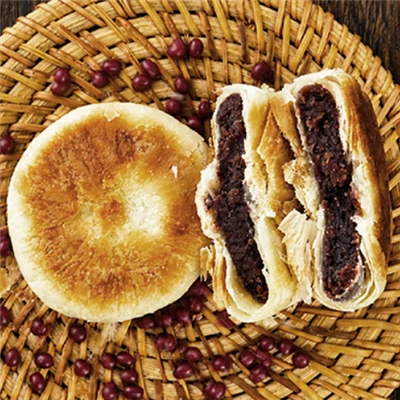
If you’re an expecting mama, or if you’re shopping for one, and you want to try our safe, delicious floral pastries, feel free to reach out to us to discuss custom orders, bulk treats for baby showers, or just a little pick-me-up for those rough pregnancy days. We’re happy to answer any more questions you have, and make sure you get exactly what you need.
Floral-Inspired Pastries References
- American College of Obstetricians and Gynecologists. (2022). Nutrition During Pregnancy.
- U.S. Food and Drug Administration. (2021). Edible Flowers: Safety and Handling.
- European Food Safety Authority. (2019). Safety Assessment of Culinary Lavender for Human Consumption.
- World Health Organization. (2020). Food Safety During Pregnancy.
- Journal of Obstetric, Gynecologic, & Neonatal Nursing. (2018). Herbs and Botanical Products in Pregnancy: A Review of Clinical Safety.
Fujian Luchen Food Co., Ltd.
As one of the most professional floral-inspired pastries manufacturers and suppliers in China since 1986, our products have good reputation in the market. Please feel free to wholesale bulk delicious floral-inspired pastries from our factory. Good service and quality products are available.
Address: No.19, Shangxipulou, Nansheng Town, Pinghe County, Zhangzhou City, Fujian Province
E-mail: service@xmnahan.com
WebSite: https://www.luchenbakery.com/
