What are the grounding requirements for power distribution equipment?
As a supplier of power distribution equipment, I understand that proper grounding is not just a technical requirement but a critical safety measure. In my experience, power distribution equipment grounding is a complex and detailed topic that involves ensuring the protection of people, equipment, and the overall electrical system. Power Distribution Equipment
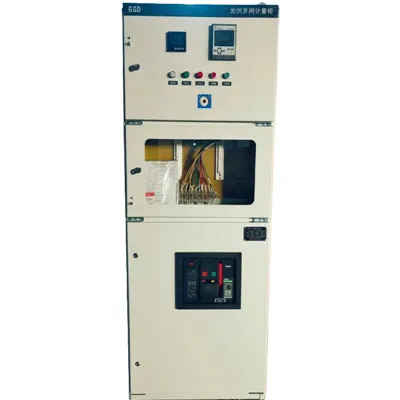
The Significance of Grounding in Power Distribution Equipment
Grounding serves multiple essential purposes in power distribution equipment. First and foremost, it is a matter of safety. When electrical equipment malfunctions and a fault occurs, the grounding system provides a low – resistance path for the fault current to flow safely into the ground. This prevents the build – up of dangerous voltages on the equipment’s enclosure, reducing the risk of electric shock to personnel who may come into contact with the equipment.
Secondly, grounding helps in maintaining the stability of the electrical system. It provides a reference point for the electrical potential, which is crucial for the proper functioning of various electrical components. Without a proper ground, electrical signals can become distorted, leading to malfunctions in sensitive equipment such as control systems and communication devices.
In addition, grounding plays a vital role in protecting equipment from damage. Lightning strikes and electrical surges can induce high voltages in the power distribution system. A well – grounded system can divert these excessive currents, minimizing the impact on the equipment and reducing the likelihood of damage.
Types of Grounding in Power Distribution Equipment
There are several types of grounding used in power distribution equipment, each with its specific applications and requirements.
System Grounding: This involves connecting the neutral point of a power supply system to the ground. System grounding is essential for maintaining the balance of the electrical system and ensuring the proper operation of protective devices. For example, in a three – phase power system, grounding the neutral point helps in stabilizing the phase voltages and provides a path for the zero – sequence current in case of a fault.
Equipment Grounding: Equipment grounding refers to connecting the non – current – carrying metal parts of electrical equipment to the ground. This includes enclosures, frames, and conduits. In the event of a fault where the live parts come into contact with the metal enclosure, the fault current is quickly diverted to the ground through the equipment grounding conductor, protecting users from electric shock.
Static Grounding: Static electricity can build up on power distribution equipment, especially in environments with low humidity or where there is a lot of movement of materials. Static grounding is used to dissipate this static charge. It is particularly important in flammable or explosive environments to prevent the ignition of combustible substances due to static discharges.
Grounding Requirements and Standards
The grounding requirements for power distribution equipment are governed by a variety of national and international standards. In the United States, the National Electrical Code (NEC) sets out detailed regulations for grounding in electrical installations. These regulations cover aspects such as the selection of grounding electrodes, the size of grounding conductors, and the installation methods.
Internationally, the International Electrotechnical Commission (IEC) also has a series of standards related to grounding in electrical systems. These standards ensure that power distribution equipment is designed and installed in a way that meets safety and performance requirements across different countries.
When it comes to grounding electrodes, they need to have sufficient surface area in contact with the soil to ensure low resistance. Common grounding electrodes include ground rods, grounding plates, and concrete – encased electrodes. The NEC specifies minimum lengths and diameters for ground rods, for example, a ground rod should be at least 8 feet long and have a diameter of not less than 5/8 inch for steel rods.
Grounding conductors must also be sized appropriately to carry the fault current safely. The size of the grounding conductor depends on factors such as the size of the over – current protective device (OCPD) and the type of electrical system. For example, in a low – voltage system, a larger OCPD will require a larger grounding conductor to ensure that the fault current can be quickly cleared.
Installation and Maintenance of Grounding Systems
Proper installation of the grounding system is crucial for its effectiveness. During installation, the grounding electrodes should be driven into the ground to the required depth and spaced at appropriate intervals. The connections between the grounding conductors and the electrodes, as well as between the conductors and the equipment, must be tight and corrosion – resistant.
Regular maintenance of the grounding system is also essential. Over time, the grounding electrodes may corrode, and the connections may loosen. Periodic testing of the grounding resistance should be carried out to ensure that the resistance remains within the acceptable limits. If the grounding resistance is too high, it may indicate a problem with the grounding system, such as a damaged electrode or a poor connection.
As a power distribution equipment supplier, we provide comprehensive support for grounding system installation and maintenance. Our team of experts is well – trained in the latest grounding standards and can assist customers in designing and installing proper grounding systems for their power distribution equipment. We also offer maintenance services, including grounding resistance testing and repair of any identified issues.
Impact of Improper Grounding
Improper grounding can have serious consequences for power distribution equipment and the overall electrical system. If the grounding resistance is too high, fault currents may not be able to flow effectively to the ground. This can cause the equipment’s enclosure to become energized, posing a significant safety risk to personnel.
In addition, improper grounding can lead to electrical interference and equipment malfunction. For example, in a data center, poor grounding can cause electromagnetic interference (EMI) that affects the performance of servers and other sensitive equipment. In industrial settings, false tripping of protective devices may occur due to improper grounding, leading to unplanned downtime and increased maintenance costs.
Conclusion

In conclusion, grounding is an indispensable aspect of power distribution equipment. It is essential for safety, system stability, and equipment protection. As a reliable supplier of power distribution equipment, we are committed to providing high – quality products that comply with the strictest grounding requirements. We understand that every customer’s situation is unique, and we work closely with them to design and implement the most suitable grounding solutions for their specific applications.
Power Distribution Equipment If you are in the market for power distribution equipment and need professional advice on grounding requirements, we encourage you to reach out to our team. We are more than willing to engage in detailed discussions about your project and provide you with the best – fitting solutions. Our expertise and experience in this field ensure that you will receive reliable and efficient products and services.
References
- National Electrical Code (NEC)
- International Electrotechnical Commission (IEC) standards
- IEEE Standards on Electrical Safety and Grounding
Si County Haneng Chengxin Electrical Engineering Co., Ltd.
As one of the most professional power distribution equipment manufacturers and suppliers in China, we also support customized service. Welcome to buy advanced power distribution equipment made in China here from our factory. If you have any enquiry about pricelist, please feel free to email us.
Address: Hanergy Green Building Science Park, Economic Development Zone, Sixian County, Anhui Province
E-mail: 19166759898@163.com
WebSite: https://www.hannenglvjian.com/
