Yo, folks! I’m a supplier of swing check valves, and today I wanna chat about a super important question: What is the closing time of a swing check valve? Swing Check Valve
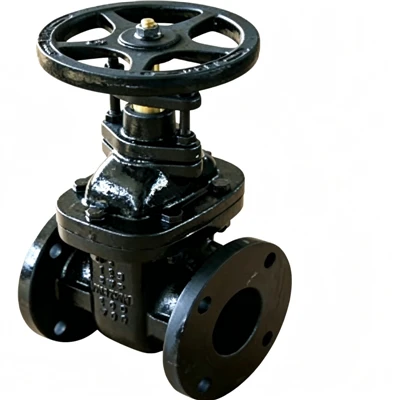
First off, let me give you a quick rundown on what a swing check valve is. It’s a type of valve that allows fluid to flow in one direction only. Picture this: there’s a disc inside the valve that swings open when the fluid is flowing in the right direction. But when the flow tries to reverse, that disc swings back shut, blocking the reverse flow. Simple, right?
Now, the closing time of a swing check valve is a big deal. It’s the time it takes for the valve to go from fully open to fully closed. Why does this matter? Well, it can have a huge impact on the performance and safety of your system.
Let’s say you’ve got a pipeline system. If the closing time of the swing check valve is too long, it can lead to a phenomenon called water hammer. Water hammer is like a shockwave in the pipeline. When the flow suddenly stops or reverses, and the valve doesn’t close fast enough, the pressure in the pipe can spike. This spike can cause all sorts of problems, like pipe damage, leaks, and even equipment failure. It’s like a mini earthquake in your pipeline!
On the other hand, if the closing time is too short, it can cause excessive wear and tear on the valve itself. The disc slams shut so quickly that it can damage the valve seat and the disc. Over time, this can lead to leaks and reduced valve lifespan.
So, what factors affect the closing time of a swing check valve? There are a few.
The first one is the size of the valve. Generally, larger valves take longer to close than smaller ones. That’s because there’s more mass involved. The disc in a big valve is heavier, and it takes more time and energy to swing it back into the closed position.
The flow rate is another important factor. If the flow rate is high, the valve will close faster. The force of the fluid pushing against the disc is stronger, so it can quickly overcome the resistance and close the valve. But if the flow rate is low, the closing time will be longer.
The design of the valve also plays a role. Some swing check valves are designed with features that can speed up or slow down the closing time. For example, some valves have a weighted disc or a spring-assisted mechanism. A weighted disc can help the valve close faster by adding extra force. A spring-assisted mechanism can also control the closing speed more precisely.
The viscosity of the fluid is yet another factor. If the fluid is thick and sticky, like oil, it will have more resistance to flow. This means that the valve will take longer to close compared to a valve handling a thin fluid like water.
Now, let’s talk about how to measure the closing time of a swing check valve. There are a few ways to do this. One common method is to use a flow meter and a pressure sensor. The flow meter measures the flow rate, and the pressure sensor measures the pressure changes in the pipeline. By analyzing the data from these sensors, you can determine when the valve starts to close and when it’s fully closed.
Another way is to use a high-speed camera. You can set up the camera to record the movement of the valve disc. Then, you can play back the video in slow motion and measure the time it takes for the disc to go from open to closed.
As a swing check valve supplier, I know how important it is to get the closing time right. That’s why we offer valves with different closing times to meet the needs of different applications. Whether you’re dealing with a high-flow pipeline or a low-viscosity fluid, we’ve got the right valve for you.
We also provide technical support to help you choose the best valve for your system. Our team of experts can analyze your system requirements, including the flow rate, pressure, and fluid properties. Based on this analysis, we can recommend the valve with the optimal closing time.
If you’re in the market for a swing check valve, don’t just go for the cheapest option. Make sure you consider the closing time and other factors that can affect the performance and reliability of the valve. A well-chosen valve can save you a lot of money in the long run by preventing costly repairs and downtime.
So, if you’re interested in learning more about our swing check valves or need help choosing the right one for your application, feel free to reach out. We’re here to help you make the best decision for your system.
In conclusion, the closing time of a swing check valve is a crucial factor that can impact the performance and safety of your pipeline system. By understanding the factors that affect the closing time and choosing the right valve, you can ensure the smooth operation of your system.

If you’re interested in discussing potential purchases or have any questions about our swing check valves, don’t hesitate to get in touch. We’re eager to hear from you and help you find the perfect solution for your needs.
Globe Valve By Standard References
- "Valve Handbook" by Crane Co.
- "Fluid Mechanics and Hydraulics" by R. L. Daugherty and J. B. Franzini
- Industry whitepapers on swing check valve performance and applications
Yantai Valtone Valve Co., Ltd.
As one of the most professional swing check valve manufacturers and suppliers in China, we have world-leading production equipment and strong manufacturing capabilities. Please rest assured to buy bulk durable swing check valve for sale here from our factory. We also accept customized orders.
Address: No. 13, Wuhan street, Bajiao industry park, Yantai ETDZ, Shandong, China.
E-mail: liujun@valtone-valve.com
WebSite: https://www.valtonevalve.com/
