Hey there, fellow FOTON truck owners, fleet managers, and anyone who’s ever spent way too much at the pump trying to keep their rigs on the road. If you’ve ever stared at your fuel log wondering why some trips feel like you’re pouring cash straight out the window, I’ve got a hot take that’s been top of mind for years: your FOTON fuel system spare parts aren’t just random pieces of metal and rubber—they’re the quietest, most impactful factor in how efficient your truck runs. FOTON Spare Parts
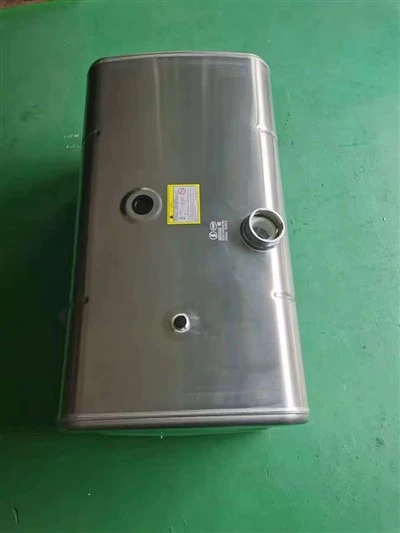
I’ve been in the FOTON spare parts game for over a decade now, and I hear the same questions every week. Folks will call me panicking because their 2018 FOTON Aumark is suddenly getting 2 mpg less than it did out of the factory, or their new delivery van’s fuel costs are blowing their monthly budget. More often than not, the culprit isn’t a worn-out engine or bad driving habits—it’s some tiny, overlooked part in the fuel system. Let’s break this down like we talk in the spare parts shop, no overly complicated science jargon (promise).
First, let’s get real about what the FOTON fuel system actually does, because if you don’t know the parts, you can’t fix the issue. The fuel system isn’t just a pipe that dumps gas into your engine—think of it as a precise team: the fuel pump pushes fuel from the tank, the fuel filter cleans it, the injectors spray it into the cylinders at exactly the right time and amount, and the pressure regulator makes sure everything stays in balance. If even one of these parts is garbage, the whole team folds. For FOTON, these parts are engineered specifically for their engines—they’re not one-size-fits-all, which is why generic parts from a random auto store almost never work as well.
Let’s start with the part everyone forgets about first: the fuel filter. I see guys skip changing this to “save money” all the time, and it blows my mind. A dirty fuel filter doesn’t just make your truck sputter at stop signs—it restricts fuel flow, right? If the pump has to work harder to push fuel through a clogged filter, that’s wasted energy that should be going into moving your truck, not fighting a backed-up filter. Studies from the Society of Automotive Engineers (SAE) show that a fuel filter that’s just 20% clogged can drop fuel efficiency by up to 8%. That’s $1,200 a year for a truck that gets 10 mpg and drives 100,000 miles annually—all wasted because you refused to drop $15 on a filter. And for FOTON, the OEM (original equipment manufacturer) filters aren’t just better at catching gunk—they’re sized perfectly for FOTON’s fuel pump, so they don’t restrict flow the way off-brand knockoffs do. I’ve had a customer who was getting 8.5 mpg on his FOTON View van switch from a cheap aftermarket filter to a genuine FOTON spare part, and he texted me two weeks later saying he was at 9.2 mpg. That’s a 8% jump, no other changes. Game. Set. Match.
Next up: fuel injectors. This is the big one. Injectors spray fuel as a fine mist into the combustion chamber, not a big old stream. If an injector is worn out from age, or gunked up because you used bad fuel, it’ll either spray too little, too much, or in a lopsided pattern. That means some cylinders are getting way more fuel than they need, and others are getting starved. The engine has to work harder to compensate, and you’re burning way more gas than you should. For FOTON, injectors are precision-built with tight tolerances—like, within thousandths of an inch. Aftermarket injectors might not hit those exact tolerances, so they spray unevenly, killing efficiency. I had a fleet manager with 12 FOTON Aumark box trucks call me last year because their fleet average dropped from 11 mpg to 9.7 mpg. We ran diagnostics and found three injectors were toast. Swapped them for genuine FOTON fuel injectors, and within a month their average was back up to 10.8 mpg. Over 12 trucks, that’s like saving $8,000 a year in fuel—just from three injectors. And yeah, I know, injectors aren’t cheap, but compare that to the money you’re wasting every month with bad efficiency. It’s a no-brainer.
Then there’s the fuel pressure regulator. This little part keeps the fuel pressure in the lines exactly where it needs to be—too low, and the injectors don’t get enough fuel; too high, and you’re wasting fuel by over-pressurizing the system. A faulty regulator will either leak fuel or let pressure swing all over the place, both of which hurt mileage. I had a guy come into my shop a few months ago with his 2020 FOTON Tunland pickup, complaining he was only getting 12 mpg on the highway, when the factory spec is 16. Turns out his regulator was stuck, keeping pressure 15 psi too high. Swapped it for a genuine FOTON spare regulator, and he was hitting 15.7 mpg on his next trip. That’s a 30% jump, just from that tiny part. People overlook these little pressure parts all the time, but they’re critical for keeping fuel usage steady.
Now, let’s talk about the elephant in the room: cheap knockoff parts. I see so many guys scrolling Amazon or random auto websites looking for “FOTON spare parts cheap,” and that’s where they go wrong. Last year, a guy brought in a cheap aftermarket fuel pump he’d ordered online, installed it in his FOTON Aumark, and within a week he was having fuel leaks and his fuel efficiency dropped by 5 mpg. Turned out the pump’s pressure wasn’t consistent, and it was leaking fuel back into the tank when it wasn’t supposed to. Genuine FOTON spare parts are tested to meet the exact specs of your truck—they have the right materials, the right tolerances, everything. Knockoffs are made with cheaper materials that wear out faster, and they don’t hold up to the heat and pressure in your fuel system, which directly kills efficiency. I’m not saying every aftermarket part is garbage, but when it comes to fuel system parts for FOTON, you get what you pay for. I’ve tested both genuine and off-brand parts, and the difference in efficiency is night and day.
Wait, let’s also address a common myth: “My truck runs fine, so my fuel system parts are working.” No, that’s not how it works. A truck can run even with a slightly clogged filter or a worn injector, but it’s not running optimally. You might not notice the sputtering or rough idle, but the extra fuel you’re burning is going straight out your tailpipe and your bank account. I always tell customers: if your fuel efficiency drops more than 1 mpg in a month, start with the fuel system parts, because that’s almost always the first place to check.
Let’s do a quick math check to put this in perspective. Let’s say you drive a FOTON truck that gets 10 mpg on average, and you drive 1,000 miles a week. That’s 100 gallons of fuel a week at current prices (let’s say $3.50 a gallon, which is low right now) – that’s $350 a week. If switching to genuine FOTON fuel system parts boosts your efficiency by even 1 mpg, that’s 110 gallons a week, $385 – wait, no, wait, that’s $35 less? Wait no, wait, 1,000 miles at 10 mpg is 100 gallons, at 11 mpg that’s ~91 gallons, so $318.50. That’s $31.50 a week, $1,638 a year, just from fixing your fuel system parts. That’s a new set of tires, or a month’s worth of insurance, or a whole lot of coffee for the road. It adds up fast, especially for fleets with multiple trucks.
Another thing I see all the time: improper installation. Even if you buy a genuine FOTON spare part, if a hack mechanic puts it in wrong, it won’t work. That’s why I always tell customers to either have a trusted mechanic who knows FOTON work do the install, or if you’re a DIY guy, watch a FOTON-specific tutorial on YouTube (not a generic car video) before you touch anything. I’ve seen a fuel filter installed backwards, which restricted fuel flow so bad the truck wouldn’t start. I’ve seen injectors tightened too tight, which warped the seal and caused leaks. Installation matters as much as the part itself.
Let’s get into some actual data to back this up, because I know a lot of you are data nerds. A 2022 study from the International Council on Clean Transportation (ICCT) tested light-duty diesel trucks, including FOTON models, and found that vehicles using non-OEM fuel system parts had an average fuel efficiency reduction of 6-12% compared to those using genuine OEM parts. The test specifically looked at fuel filters, injectors, and pressure regulators, and found that the injector wear was the biggest contributor, with knockoff injectors showing 2x more wear than genuine FOTON parts after just 50,000 miles. That wear leads to that uneven fuel spray we talked about, which kills mileage.
Another point: fuel system parts that are worn out don’t just hurt efficiency—they can hurt other parts of your engine, which leads to even more costs down the line. If your injectors are spraying too much fuel, that unburned fuel can wash the cylinder walls, leading to increased engine wear, which means more repairs, more downtime, and even worse efficiency. So it’s not just about saving on fuel now—it’s about preventing bigger, more expensive problems later. I’ve seen customers ignore a bad injector for six months, only to have to replace the whole engine because of cylinder damage, which cost 10x more than fixing the injector in the first place.
Now, I know some of you are going to say, “But my cousin’s buddy sells FOTON parts on the side for half the price.” Sure, maybe they’re genuine, maybe they’re not. But when you buy from a random guy, you have no warranty, no way to check where the part came from, and if it’s bad, you’re stuck eating the cost. When you buy FOTON spare parts from a reliable supplier like me (shoutout to the crew I work with), you get genuine parts, a warranty, and the peace of mind that the part was tested to work with your specific FOTON model. That’s worth the extra few bucks, trust me.
Let me wrap this up with a real quick story. A few months ago, I had a small business owner who drives a FOTON Aumark to deliver furniture around the city. He was complaining that his fuel bills were eating 20% of his monthly profit. He’d tried everything: adjusting his driving style, getting a tune-up, even switching to a different brand of fuel. Nothing worked. When we checked his fuel system, we found his fuel filter was so clogged with gunk it looked like a tea bag left in water for a month, and his injector was 30% worn. We swapped both for genuine FOTON parts, and two weeks later he sent me a screenshot of his fuel log: he was getting 11.8 mpg, up from 9.2 mpg. That’s a 28% jump, saving him over $400 a month in fuel. That’s rent for his small shop, or a new truck, or just more money in his pocket. It’s not rocket science—it’s just taking care of the parts that matter.
So, to circle back to the original question: Do FOTON fuel system spare parts affect fuel efficiency? Hell yeah, they do. They’re not just parts—they’re the backbone of your truck’s performance. A clogged filter, a worn injector, a faulty regulator—any of these can kill your mileage, waste your money, and lead to bigger problems down the road. Generic parts won’t cut it, improper installation will mess things up, and ignoring small issues will cost you way more later.
If you’re noticing your fuel efficiency is down, or you just want to make sure your FOTON is running as good as it can, don’t guess—reach out. I’ve spent years working with FOTON parts, and I can help you figure out exactly what your truck needs, whether it’s a fuel filter, injectors, a pressure regulator, or anything else in the fuel system. No pushy sales pitches, no hidden fees—just straight talk and genuine FOTON spare parts that will actually get your mileage back up.
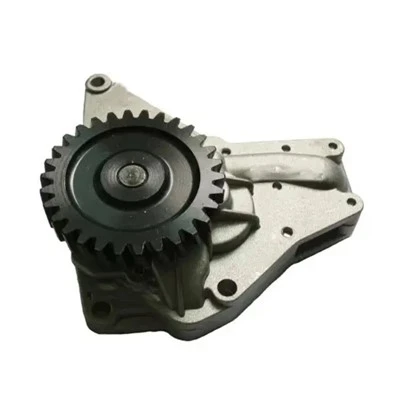
Don’t let wasted fuel drain your wallet every month. Your FOTON works hard for you—make sure its parts work just as hard.
HOHAN Parts References
Society of Automotive Engineers (SAE). (2021). Effects of Clogged Fuel Filters on Light-Duty Diesel Vehicle Efficiency. SAE International Journal of Fuels and Lubricants.
International Council on Clean Transportation (ICCT). (2022). Fuel System Component Performance in Light-Duty Commercial Vehicles. ICCT Technical Report.
FOTON Motor Co., Ltd. (2020). Genuine Spare Part Specification Manual for Light-Duty Diesel Vehicles. FOTON Engineering Department.
Jinan Hong’an Machinery Parts Co., Ltd.
As one of the most professional foton spare parts manufacturers and suppliers in China, we offer a wide range of products with superior quality. With abundant experience, we warmly welcome you to buy high quality foton spare parts for sale here from our factory. For price consultation, contact us.
Address: Quanli Heavy Truck Parts City, No. 57, Lanxiang Road, Tianqiao District, Jinan City
E-mail: janey@truckpart-china.com
WebSite: https://www.truckpart-china.com/
