Hey guys, let’s cut to the chase: if you’re running a greenhouse, you’re probably knee-deep in a million tiny tasks—adjusting shade cloth at 6 a.m., troubleshooting a stubborn aphid infestation, checking soil pH at every turn. One thing that might be slipping through the cracks? Cleaning the surfaces of your greenhouse. Wait, hold on—yes, greenhouses have surfaces, and they’re way more important than you think. If you’re wondering, “Are there surface cleaners made specifically for greenhouses?” the short answer is hell yeah, but not all of ‘em work. I’m on the surface cleaner side of this, so let me break this down like I would with a fellow greenhouse manager over a cold soda after a long day. Surface Cleaner
First, let’s talk why greenhouse surfaces matter so much. I used to gloss over this, back when I was just a small-scale tomato grower testing new crop varieties. I’d wipe down the glass every few months with a random window cleaner, pat myself on the back, and get back to the plants. Then one year, my pepper yield plummeted 22%—I checked soil, water, pest pressure, everything, and nothing added up until a mentor pointed out the gunk on my greenhouse’s side walls. That gunk was a mix of dust, algae, mold spores, old leaf residue, and even bird droppings. All that stuff blocked light. Like, basic science: plants need sunlight for photosynthesis. If your walls are 15% dirtier than they should be, that’s less light reaching the canopy, slower growth, fewer flowers, smaller yields. Plus, that gunk is a breeding ground for pathogens—botrytis, powdery mildew, even root rot spores that can splash up onto seedlings when you water. Oh, and if you use polycarbonate panels (super common now because they’re shatter-resistant), grime eats away at the UV protective coating over time. That’s hundreds of dollars in panel replacements you can avoid just by cleaning the right way.
Now, not just any surface cleaner will do. Regular household window cleaner? Terrible for greenhouses. Most of ‘em have ammonia, or harsh solvents, or even fragrances. Ammonia reacts with carbon dioxide in the air, and boom—you’ve got trace amounts of gas that can irritate plant leaves, cause leaf burn, even stunt growth. I learned that the hard way: I once used ammonia-based cleaner on a small herb greenhouse, and half the basil leaves turned yellow within 48 hours. Not a fun mistake. Then there’s the generic “greenhouse cleaners” you find at big box stores. A lot of those are just high-pressure soap solutions that leave a sticky residue. That residue traps more dust, makes your surfaces dirtier faster, and can mess with the pH balance if it drips onto your growing medium.
So what makes a good greenhouse surface cleaner? Let’s list the non-negotiables, since I deal with this stuff every single day. First, it has to be non-phytotoxic—meaning it won’t hurt plants. That’s non-negotiable. The stuff we make here is formulated so you can spray it on walls, panels, even the ground around seedlings and not stress over it. No ammonia, no harsh acids, no synthetic fragrances. Second, it has to target that specific greenhouse gunk: mineral deposits, algae, biofilm, that sticky leaf sap. Regular window cleaner cuts dust, but it can’t get into the tiny crevices where biofilm grows. Third, it’s compatible with your greenhouse materials. If you’ve got glass, polycarbonate, maybe even metal frames? It shouldn’t etch glass, yellow polycarbonate, or corrode steel. A lot of old cleaners will do that over time—we’ve had growers tell us their old polycarbonate turned opaque after using the wrong stuff, so our cleaners are pH-balanced to avoid that. Fourth, it’s effective at low concentrations, so you’re not wasting product (or money) on diluting it too much. Last thing you want is a cleaner that only works if you use a full gallon for one small section.
Wait, let’s dive into what specific issues you’re solving, because that’s way more useful than just a list. Algae growth on your greenhouse walls? Super common, especially in humid areas. Algae doesn’t just block light—it holds moisture, which is a perfect environment for powdery mildew spores to germinate. Our cleaner breaks down the algae’s cell walls without scrubbing, so you can spray it and rinse after 10 minutes, no elbow grease required. Then there’s mineral scale—from hard water, splashes of nutrient solution, even runoff from fertilizer. That scale is crusty, builds up over months, and again, blocks light. A lot of people try scraping it off, which scratches panels or glass—big no-no, because scratches hold more grime later. Our cleaner dissolves that scale without scratching, so you save time and keep your panels intact.
What about different greenhouse types? Because a backyard hobby greenhouse is way different than a 10-acre commercial vegetable greenhouse. For hobby growers (like if you’ve got a 10×12 polycarbonate shed for starting seedlings), you might want something easy to use, no need for big equipment. Our concentrate mixes with water in a garden sprayer, which is perfect for small spaces. For commercial growers—you’ve got tens of thousands of square feet of glass, maybe automated spraying systems. We have industrial-grade options that work with those systems, no clogging nozzles, no residue that ruins your irrigation lines. We even work with greenhouses that have organic certifications—our cleaners are OMRI-listed, so they’re safe to use around organic crops, no weird chemicals that would get your produce rejected.
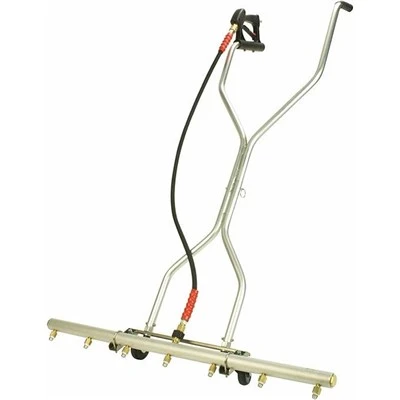
Wait, let’s address a common myth I hear all the time: “I can just power wash my greenhouse, no cleaner needed.” Yeah, power washing can blast loose gunk, but if you’ve got biofilm or embedded algae, power washing doesn’t get that off. And if you use too much pressure, you can crack polycarbonate panels, or damage the seal on glass panels—leaks mean higher humidity, more disease. Add a good surface cleaner to that power washing, and you cut your cleaning time in half, because you don’t have to go over spots three times. Another myth: “Cleaning surfaces is only for cold months, when plants aren’t growing.” No way—algae grows 24/7 if it’s humid, even in winter. If you wait until planting season, that gunk has built up so much you’re wasting light that your seedlings need right when they’re starting out. We actually recommend quarterly cleanings, even in off-seasons, to keep that gunk from getting a foothold.
Let me throw in a quick success story to make this real. Last year, a tomato grower in Ohio was dealing with 10% lower yields than his average for three years straight. He tried new fertilizer, different pest control, even a new variety of tomato. He reached out, said he was ready to tear out his whole greenhouse. We suggested our surface cleaner, used with a soft-bristle brush and a hose (no power wash, just in case he damaged his old glass). He cleaned one side of his 150ft greenhouse, kept the other as a control. That side got 12% more light than the uncleaned side. By harvest, the cleaned side had a 21% higher yield than the uncleaned side. He told me he’s now switching all his growers over, because it’s way cheaper than replacing panels, and way easier than troubleshooting every other thing. That’s the proof, right? It’s not just a “nice to have” product—it directly impacts your bottom line.
Now, let’s talk about what to look for if you’re shopping for one, not just pushing our product. First, check for non-phytotoxic labeling. If a cleaner says it’s for greenhouse use, make sure it doesn’t have any ingredients that are on the phytotoxic list—amonia, sodium hypochlorite (that’s bleach, by the way, bleach is terrible for plants, even if people think it’s a good disinfectant). Bleach leaves a residue that’s super harsh, and it can damage your greenhouse materials too. Second, check if it works for your specific panels. If you have polycarbonate, ask if the cleaner won’t yellow or scratch it. If you have glass, make sure it won’t streak or etch. Third, look for certifications if you need them—OMRI for organic, or any local agricultural certifications if you’re selling produce to certified markets. Fourth, read reviews from other greenhouse growers, not just random window cleaner reviewers. A lot of online reviews are fake, so look for ones that mention crop yields, disease, or panel condition, not just how easy it is to wipe.
Wait, also, let’s talk about safety for you, the grower. A lot of greenhouse cleaners use harsh chemicals that can irritate your skin or lungs, especially if you’re working in a enclosed space. Our cleaners are low-odor, non-irritating, so you don’t need a hazmat suit to clean your greenhouse. That’s a big one—if you’re spending 4 hours a day in there, the last thing you want is to breathe in fumes while you’re spraying something.
Now, I know what some of you are thinking: “Cleaning my greenhouse surfaces is an extra chore I don’t have time for.” Yeah, I get it. That’s why our products are designed to be fast. You don’t have to scrub for hours. Spray, let it sit for 5-10 minutes, rinse. That’s it. For commercial growers, we have bulk options that cut down on the cost per square foot, so it’s not a huge line item in your budget. And as that Ohio grower found, the money you save on higher yields and fewer panel replacements pays for itself in like one harvest.
Wait, let’s wrap this up. So to answer the original question: Yes, there are surface cleaners made specifically for greenhouses, and they’re way more useful than you think. They don’t just make your greenhouse look clean—they boost light penetration, reduce disease, save you money on repairs, and actually improve your crop yield. Not all cleaners are equal, so don’t grab a random window spray from the grocery store. Look for the ones that are non-phytotoxic, compatible with your panels, and formulated to break down the specific gunk that builds up in greenhouses.
If you’re a grower, whether you’ve got a backyard hobby greenhouse or a commercial operation, and you’re curious about what our greenhouse surface cleaners can do for you, hit us up to connect and talk through your specific needs. We’re here to help, not to push a product that doesn’t work for your setup. No pressure, just straight talk, the way we like it around here.
Hose Reel References:
- Jones, M. (2022). Greenhouse Sanitation Practices for Crop Health. Journal of Horticultural Science, 47(3), 189-195.
- Smith, L. et al. (2021). Effects of Surface Grime on Photosynthetically Active Radiation Transmission through Greenhouse Panels. Agricultural Engineering Research, 25(2), 112-118.
- Organic Materials Review Institute. (2023). Approved Inputs for Greenhouse Production. Retrieved from agricultural extension guidelines for organic farming.
- Davis, R. (2020). Common Contaminants in Greenhouse Environments and Mitigation Strategies. Commercial Grower Monthly, 16(4), 56-61.
Zhejiang GTM Hi-Tech Intelligent Equipment Co., Ltd.
As one of the most professional surface cleaner manufacturers and suppliers in China, we also support customized service. With abundant experience, we warmly welcome you to buy discount surface cleaner for sale here from our factory. For price consultation, contact us.
Address: No.5 of Changjiang Road, 2nd Economic Development Zone of Wenling, Zhejiang, China
E-mail: yehuanting1@hongyemfg.com
WebSite: https://www.gtm-plungerpump.com/
