Hey there, fellow chiller operators! If you’re reading this, chances are you’ve dealt with that slimy, green (or sometimes brown) surprise lurking inside your chiller unit’s water lines—algae growth. I’m Jake, one of the lead techs here at [Chiller Supplier Name], and let me tell you, it’s one of the most common headaches we get calls about. Not only does it muck up efficiency, but it can also lead to breakdowns, higher energy bills, and even water quality issues if you’re dealing with closed-loop systems for commercial spaces. Over the past 12 years, I’ve walked hundreds of site audits, and I’ve seen everything from “we forgot to check the water for 6 months” to “we tried chemicals and they backfired.” Today, I’m breaking down exactly how to prevent algae growth in your chiller unit—no fluff, just real, actionable stuff we actually use with our clients. Chiller Unit
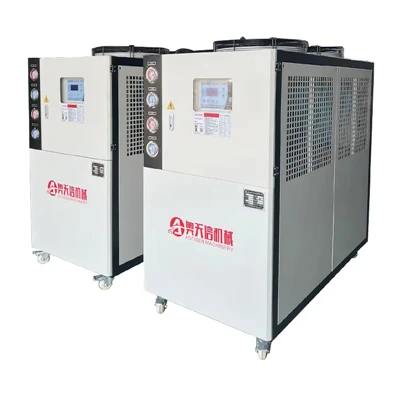
First off, let’s get one thing straight: algae isn’t just “dirty water.” It’s living organisms that need three things to thrive: water, nutrients (like phosphates or nitrates), and sunlight. And since chiller units are mostly closed-loop systems, they’re not sitting out in the sun all day—but that doesn’t mean they’re off the hook. Wait, what if you have an open-loop cooling tower? That’s a whole other beast (more sunlight, more air, more nutrients from dust and airborne debris). Either way, the root cause is usually a mix of poor water treatment, inconsistent maintenance, and small gaps in monitoring that turn into big problems.
Let’s start with the basics because you can’t fix what you don’t track. Most operators I talk to don’t test their chiller water regularly—they just top it off when it’s low. Big mistake. Even in closed loops, you need to test for pH, total dissolved solids (TDS), phosphate levels, and chlorine or bromine residuals. Algae loves neutral to slightly alkaline water (pH 7.2–8.5 is the sweet spot for growth) and high phosphate levels. Last quarter, we had a client with a 500-ton chiller that was using well water—no testing at all. When we pulled the water samples, phosphate levels were at 2.8 ppm (the recommended max is 0.5 ppm for closed loops), and sure enough, there was a thin green slime coating the heat exchanger tubes. They’d been losing 15% efficiency for months and didn’t even know it. That’s the kind of hit you take because you skipped a weekly test.
So, step one: set a regular water testing schedule. We recommend every 2 weeks for new systems, then every 4 weeks once they’re stabilized. Use a simple test kit (you can pick these up at any industrial supply shop, and we even include a free starter kit with every chiller we sell) that gives you results in 5 minutes. Look for TDS levels under 500 ppm—higher means more nutrients from evaporated water or makeup water. For open towers, keep TDS under 1500 ppm. Phosphate: under 0.5 ppm for closed loops, under 1 ppm for open systems. pH: keep it between 7.0 and 8.0, no exceptions. If pH creeps above 8.5, algae starts reproducing like crazy.
Next up: control makeup water and nutrient sources. This is where a lot of people slip up. When you top off your chiller water, what are you adding? Tap water? Well water? Distilled? Well and tap water often have high levels of nitrates and phosphates—like, your basic fertilizer nutrients. If you’re using well water, run it through a reverse osmosis (RO) filter first. We installed RO filters on all our client sites that use well water, and algae incidents dropped by 80% within 6 months. For closed loops, we also recommend sealing the expansion tank properly. If air is getting in, that brings in dust, debris, and even small amounts of organic matter that can feed algae. I’ve seen clients leave the expansion tank cap loose because they thought it “needed to breathe”—nope, that’s just letting nutrients in. Sealing it up cuts down on those unwanted inputs.
Then there’s the big one: proper water treatment. Not just dumping random chlorine in—like, using the right chemicals, at the right dose, on the right schedule. Let’s be real, some people overdo the chlorine and end up with corrosion in their heat exchangers, which is a whole other problem. Others underdose and do nothing. For closed-loop systems, we use a combination of biocides and corrosion inhibitors. The biocide keeps algae from growing, and the inhibitor protects the metal tubes from rusting (corrosion creates more iron, which is another food source for algae, funny enough). For open cooling towers, we use non-oxidizing biocides that work even in the presence of other debris. Pro tip: rotate your biocides every 3 months. Algae builds up resistance to the same chemical over time, so switching between, say, glutaraldehyde and isothiazolinone keeps it from adapting. A common mistake we see is clients using the same biocide for years—we had a client where we found a strain of algae that was completely resistant to their go-to chemical because they never rotated.
Wait, what about UV sterilization? That’s a hot topic right now, and it’s actually really effective if installed right. A lot of people think UV is a “set it and forget it” fix, but you have to size it correctly. If you put a 20-watt UV bulb on a 500-ton chiller that needs a 60-watt bulb, it won’t kill the algae. We recommend UV systems for closed loops in areas with high humidity or where makeup water has extra nutrients. The UV light damages the algae’s DNA so it can’t reproduce, and it works great as a backup to chemical treatment, not a replacement. Just make sure you replace the bulb every 12 months—even if it’s still lighting, the UV output drops after that, so it’s not working as well.
Now, maintenance that’s actually consistent, not just “when something breaks.” I can’t tell you how many clients tell me “we clean the chiller once a year” but that’s too late. Preventive maintenance (PM) is non-negotiable here. Every month, do a visual check of the water level—top it off only with tested, filtered water, not just whatever’s in the bucket. Every quarter, pull a small sample from the heat exchanger and check for slime (even a thin coating is a red flag). Every 6 months, do a full flush of the system if you see any algae growth, but even if you don’t, a partial flush (10–15% of the water) helps reduce TDS and nutrient buildup. Last year, we had a restaurant client with a 200-ton chiller—they were supposed to do PM quarterly, but they skipped it for 8 months. When we got there, the heat exchanger was so coated in algae that we had to use a acid cleaning solution to get it off, and that cost them $2,000 in parts and labor, plus 3 days of downtime during their peak season. That’s the kind of cost you avoid with 15 minutes of PM every month.
Oh, and one underrated tip: keep the chiller room clean. Dust, food particles, and even mold spores that get into the chiller room can find their way into the water system. Wipe down the chiller’s exterior every week, keep floor drains clear, and make sure no plants are sitting within 10 feet of the unit (plants drop leaves, which decompose and add nutrients to the air). I know it sounds silly, but that small piece of grass near a cooling tower we checked was adding 0.3 ppm of phosphate to the system—enough to make algae grow steadily.
Wait, what if you already have algae growth? Don’t panic—we fix this all the time. First, turn off the chiller to prevent the slime from spreading. Then, drain 30–40% of the water, and fill it with a mix of high-dose biocide (follow the chemical manufacturer’s instructions, or call us if you need a dose tailored to your size) and distilled water. Let it circulate for 24 hours, then do a full flush, scrub the heat exchanger tubes with a soft brush (no metal brushes—they scratch the tubes and cause corrosion), and refill with treated, filtered water. After that, ramp up testing to every week for a month to make sure it doesn’t come back. We had a client last fall who noticed algae and got it fixed in 5 days, no downtime because we helped them with the process step by step.
Now, let’s talk about common myths I hear all the time. Myth #1: “Algae only grows in open systems.” Nope—we’ve had closed loops with algae because someone let pH drop too low or added unfiltered well water. Myth #2: “More chlorine = no algae.” Wrong—too much chlorine eats away at metal parts, leading to corrosion, which creates more organic matter that algae loves. Myth #3: “UV systems replace chemicals.” No, they complement them—UV kills free-floating algae, but chemicals kill the stuff that’s stuck to the tube walls, which is where the real problem is.
Here’s the thing: preventing algae in your chiller unit isn’t hard, but it does require consistency. It’s not a one-time fix, it’s a routine. If you skip testing one month, or forget to rotate your biocide, or top off with unfiltered water, you’re giving algae an opening. Over the years, we’ve found that clients who stick to a regular schedule have 70% fewer algae issues, lower energy bills (up to 12% in some cases), and way fewer emergency calls.
At the end of the day, your chiller is a big investment—don’t let a slimy invader ruin it. If you’re struggling with algae growth, or you just want to set up a proper maintenance plan for your system, we’re here to help. We don’t do one-size-fits-all solutions—we’ll send a tech to your site, test your water, look at your current setup, and give you a custom plan tailored to your chiller size, type, and industry. Whether you’re a small café with a 100-ton chiller or a warehouse with a 1000-ton system, we’ve got you covered.
Don’t wait until you’re staring at a heat exchanger coated in green slime to act. Shoot us a message to chat through your needs, and we’ll help you keep your chiller running smooth, algae-free, and efficient all year long.
Screw Chillers References:
- ASHRAE Handbook: HVAC Systems and Equipment, Chapter 19 – Cooling and Heating Water Systems
- Water Treatment for Industrial and Commercial Systems, 5th Edition, by Wayne T. Davis
- Cooling Tower Institute (CTI) Standard Guidelines for Algae Control in Open Recirculating Cooling Water Systems
- EPA Guidelines for Managing Algae Growth in Industrial Water Systems
Kunshan Aotianxin Machinery Co., Ltd.
We’re well-known as one of the most reliable chiller unit manufacturers in China. With abundant experience, our factory offer high quality chiller unit made in China with low price. If you have any enquiry about quotation and free sample, please feel free to email us.
Address: 550 Shengguang Road, Bacheng Town, Kunshan City, Jiangsu Province
E-mail: 1516722561@qq.com
WebSite: https://www.atxks.com/
