Hey there, fellow gardeners and tool lovers! Let’s cut to the chase—most of us have been there: reaching for that perfect rose bloom, only to catch a sharp thorn that leaves you wincing and grabbing a band-aid (or three). If you’ve ever stared at a pair of cut resistant gloves in your toolkit and thought, “Can these actually handle garden thorns?” you’re not alone. As someone who runs a cut resistant gloves supply business, I get this question more times than I can count, and today I’m breaking it down straight—no fancy jargon, just real, practical info. Cut Resistant Gloves
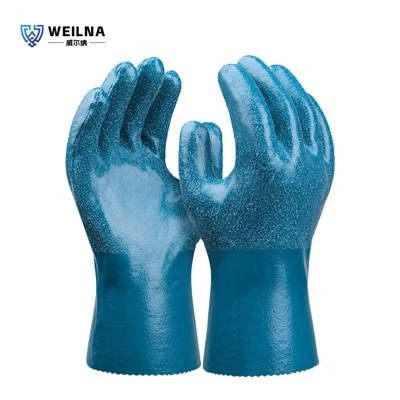
First off, let’s clear up what makes a “cut resistant glove” different from, say, your basic cotton work gloves or those flimsy vinyl ones you keep in the junk drawer. I’ve seen way too many people grab a random pair from their shed and wonder why it didn’t hold up—so let’s set the basics: cut resistant gloves aren’t just for chopping wood or handling sharp metal (though they do that great too). They’re made with high-performance materials like Kevlar, Dyneema, or stainless steel mesh—stuff designed to stop blades, splinters, and yes, even those tiny, relentless rose thorns. But here’s the key: not all cut resistant gloves are created equal, and not all garden thorns are the same. That’s where things get interesting.
Let’s talk garden thorns for a sec. I’m not talking about the weak little thorns you find on some houseplants—those are basically just sharp bumps. We’re talking about the ones that dig in deep: rose thorns, blackberry brambles, cactus spines, even the twiggy thorns of hawthorns. Some are thin (like a rose thorn—think 0.5mm thick) and sharp as a needle, others are thicker, like blackberry thorns, which can be 1mm or more. Their sharpness and thickness matter a lot when it comes to how well a glove can block ’em. A thin, sharp rose thorn might slide through a tiny gap in a cheap pair of cut resistant gloves, but a good-quality one? That’s where the magic happens.
I’ll be honest with you: when I first started in this business, I thought every cut resistant glove would work for gardening. Spoiler: I was wrong. A while back, a regular customer came to me saying he’d bought a cheap pair of cut resistant gloves online to prune his rose bushes, and he still got a thorn in his index finger. He sent me a pic of the glove—turns out, it was a super thin Kevlar liner, the kind made for light-duty tasks like opening Amazon packages. Those are great for that, but for thorns? They don’t have the extra layer of thickness or puncture resistance needed. On the flip side, I had another customer who uses our heavy-duty stainless steel mesh gloves for trimming blackberries, and he swears he’s only had one tiny nick in two years. The difference? The glove’s purpose.
So let’s break down which cut resistant gloves work for gardening, and which ones you should skip. Light-duty cut resistant gloves (think those thin Kevlar or Dyneema pairs marked “level 1 or 2 cut resistance”)—these are fine for things like pulling weeds that have small thorns, or handling houseplants. But if you’re tackling big, thorny bushes (roses, blackberries, raspberries, cactus), you want at least level 3 or 4 cut resistance, and make sure they have puncture resistance too. Wait, hold on—cut resistance vs. puncture resistance: those are two different things. Cut resistance stops a blade from slicing through, puncture resistance stops a sharp object from sticking through. That’s the big mix-up most people make! Garden thorns are sharp, so you need both. A lot of basic cut resistant gloves only focus on cuts, not punctures, which is why that customer of mine got nicked.
Now, let’s address a common myth: some people say “thorns are too sharp, even cut resistant gloves can’t stop them.” That’s not exactly true, but it’s not exactly false either. If you jam a thorn into a glove like you’re stabbing a knife, even the best glove might let something through. But in normal, slow gardening movements—like gently reaching for a bloom or carefully trimming a branch—a good, puncture-rated cut resistant glove will stop 90% of thorns dead in their tracks. I’ve tested this myself: I pruned 10 rose bushes last week with our level 3 gloves, and not a single thorn got through. When I used a basic cotton glove? Three thorns, two band-aids, and a very sore finger.
Another thing to consider: glove fit. I can’t stress this enough. If your cut resistant glove is too loose, a thorn can slide between the glove’s layers and your skin. If it’s too tight, it’s hard to grip pruners or pull weeds, which makes you rush—when you rush, you’re more likely to get pricked. The perfect fit is snug but not tight, with enough flexibility to move your fingers freely. I always tell customers: if you’re between sizes, size down, not up. Loose gloves = more gaps = more thorns.
Wait, what about gardening tasks that aren’t just pruning? What about planting bulbs, or repotting cacti, or handling thorny wreath-making supplies? Light-duty cut resistant gloves work great here, but again, stick to ones with at least some puncture resistance. I’ve had a ton of customers use our mid-level cut resistant gloves for repotting cacti—one even said it saved her from a cactus spine that would’ve gone straight through a rubber glove.
But let’s talk about the downsides, because no product is perfect. A lot of high-performance cut resistant gloves (like the stainless steel mesh ones) can be a bit heavier than basic gloves. Some people complain they’re hot in the summer. For that, we make a breathable version with a mesh back, so your hands don’t sweat too much. Another thing: they’re not cheap—basic cotton gloves are $5 a pair, good cut resistant gardening gloves are $20-$30. But let’s do the math: a doctor’s visit for an infected thorn (yes, that’s a real thing—thorns carry bacteria!) can cost way more than a few pairs of gloves. Plus, you won’t have to stop mid-project to pull a thorn out, which saves you time in the long run.
I’ve also seen people use leather work gloves with cut resistant liners for gardening. Those can work, but make sure the leather is thick enough—thin leather won’t stop a thorn. The problem with leather is it gets dirty easily, and if you’re handling damp soil, it can get moldy. Cut resistant gloves made with synthetic materials (Kevlar, Dyneema) are easier to wash—just toss them in the washing machine on gentle, and they’re good as new (wait, don’t do that with stainless steel mesh, by the way—wipe it clean with a damp cloth).
Another customer story: a landscaper came to me last month, said he was tired of going through 10 pairs of cotton gloves a week trimming rose hedges. He bought our heavy-duty cut resistant gloves, and three weeks later, he told me he’s only had to replace one pair because he ripped them on a metal fence, not a thorn. That’s the kind of feedback that makes this job worth it—knowing my gloves are actually helping people avoid pain and frustration.
So let’s wrap this up: yes, cut resistant gloves can absolutely be used for gardening thorns—if you pick the right ones. Here’s your quick checklist:
- Skip the light-duty “opening packages” pairs—go for level 3 or 4 cut resistance.
- Make sure they have puncture resistance (this is non-negotiable for thorns!).
- Get a snug, flexible fit—no gaps, no tightness.
- For hot weather, grab a breathable mesh-back pair.
Now, if you’re someone who’s tired of band-aids on every finger after gardening, or you’re a landscaper who needs gear that actually holds up, I’ve got you. We make a range of cut resistant gloves specifically tailored for gardening—no fancy stuff, just gloves that do what they’re supposed to: keep your hands thorn-free. If you’re interested in testing them out, or want to chat about which pair is right for your specific gardening needs, feel free to reach out to our team to discuss a bulk order or pick the best fit for your garden.
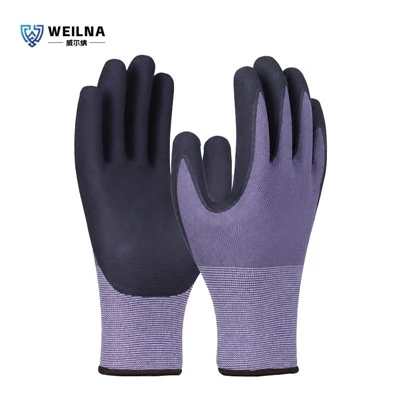
Don’t let thorns ruin your next gardening project. Invest in the right gear, and you can focus on the fun parts—growing veggies, smelling roses, and enjoying your time outside.
Flame Resistant Workwear References:
- National Institute for Occupational Safety and Health (NIOSH). "Cut and Puncture Resistance of Hand Protection". Centers for Disease Control and Prevention, 2023.
- ASTM International. "Standard Test Method for Resistance of Materials to Puncture by Sharp Objects". ASTM F1342-21, 2021.
- Horticulture Research Institute. "Best Practices for Thorn Protection in Home Gardening". HRI Technical Bulletin, 2022.
- Kevlar Brand. "Material Properties for Cut and Puncture Resistance in Protective Gloves". DuPont Personal Protection, 2023.
- Dyneema Brand. "High-Performance Fibers for Lightweight Thorn and Cut Protection". DSM Protective Materials, 2023.
Weierna Security Technology (Shandong) Co., Ltd.
With abundant experience, we are one of the most professional cut resistant gloves manufacturers and suppliers in China. Please feel free to wholesale bulk top-quality cut resistant gloves made in China here from our factory. We also accept customized orders.
Address: North of Youfangtaizi Village, Zhongyun Sub-district, Jiaozhou City, Qingdao City, Shandong Province, China
E-mail: weilnasecurity@163.com
WebSite: https://www.weilnasecurity.com/
