Hey there, Sealing Tape
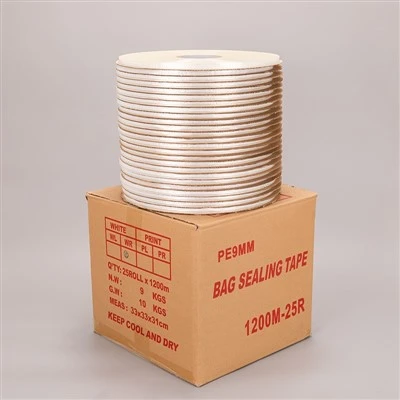
If you’ve ever stood in a warehouse aisle, staring at a roll of sealing tape you bought three years ago, wondering why it’s cracked when you unrolled it, or why the adhesive won’t stick like it did when you first used it—you’re not alone. As someone who’s been supplying sealing tape for nearly a decade, I get this question all the time: “How long does sealing tape actually last?” It’s not a one-size-fits-all answer, and I’ve seen way too many customers waste money by storing rolls wrong, or throwing out perfectly good tape because they thought it expired when it didn’t.
Let’s start with the basics: sealing tape’s lifespan isn’t a fixed number printed on the packaging. It’s a combination of three things: the type of tape it is, how you store it, and what it’s going to be used for. I’ve worked with every kind of sealing tape—from acrylic packaging tape to butyl rubber for roof repairs, to specialty high-temperature tape for manufacturing—and each one behaves totally differently. Let me break this down by the most common types I supply, and what you can realistically expect from each.
First, let’s talk about the workhorse of sealing tape: acrylic pressure-sensitive adhesive (PSA) packaging tape. This is the stuff you use to seal shipping boxes, stuff every warehouse and online shop stocks. In ideal conditions—cool, dry, away from direct sunlight—acrylic PSA tape will last for 12 to 24 months. That’s the shelf life. But here’s the catch: “ideal conditions” aren’t just what you’d expect on a shelf in your closet. We test our acrylic tape in our in-house lab, and we’ve found that if you store it in a place that’s over 75 degrees Fahrenheit (24 degrees Celsius) with high humidity (above 60% RH), that shelf life cuts in half. I’ve had a customer in Florida order 50 rolls of acrylic shipping tape back in 2021, store them in a non-climate-controlled garage, and when they pulled them out to ship holiday orders in 2022, half the rolls’ adhesive had turned gummy and lost its tack. That’s not a manufacturing defect—that’s storage mistake number one.
Then there’s rubber-based PSA tape, which is the go-to for heavier-duty sealing, like pallet wrapping or sealing corrugated boxes that go through extreme shipping conditions. Rubber-based tape is a bit more flexible than acrylic, so it has a longer shelf life, right? Not exactly. Our testing shows rubber-based tape lasts 9 to 18 months in ideal conditions, but it’s way more sensitive to temperature extremes than acrylic. If you leave a roll in a hot truck or a cold loading dock, the rubber breaks down faster. We had a construction company order rubber tape for sealing window flashing back in January, and they stored it in an unheated construction site in Ohio all winter. When they tried to apply it in March, it crumbled into little pieces when they unrolled it. That’s because rubber gets brittle when it’s exposed to sustained cold below 40 degrees Fahrenheit (4 degrees Celsius) for more than a few months.
Now, specialty sealing tape—this is where things get interesting. Butyl rubber sealant tape, used for roof repairs, RV sealing, or plumbing joints, is a completely different animal. This stuff is designed to be weather-resistant, so its shelf life is way longer. In ideal storage, away from UV light and extreme temperatures, butyl tape can last 5 to 10 years. I’ve had a few repeat customers who buy butyl tape for their summer cabin maintenance, stock up in the off-season, and still use tape they bought 7 years ago with no issues. But if you leave butyl tape out in the sun, even for a few months, it gets really sticky and can attract dirt, which ruins its sealing ability. I had a guy last year bring in a roll of butyl tape he left on his roof for a month before he even used it, and it was covered in pine needles and dust—he swore it was defective, and once we cleaned it, it worked just fine, but that’s a storage error.
There’s also silicone-based sealing tape, used for high-temperature applications, like sealing furnace ducts or industrial piping. Silicone is super durable, and its shelf life is around 10 to 15 years in ideal conditions. We supply this to a few manufacturing plants that have warehouses kept at a consistent 65 degrees, and they buy silicone tape in bulk, use it for years, and it still adheres perfectly. The only thing that breaks down silicone tape is exposure to harsh chemicals, like strong solvents or acids, which can eat away at the material and make it lose its elasticity.
But here’s the thing: shelf life isn’t the same as in-use life. A lot of people ask, “If I use this tape to seal a shipping box, how long will the seal last once it’s on the box?” That’s a totally different question. For acrylic packaging tape, the seal will stay intact for 2 to 5 years if it’s stored in cool, dry conditions. If the box is in a climate-controlled warehouse, that tape will still be sealed tight 5 years later. But if that box is sitting outside, in the sun and rain, the UV rays will break down the acrylic in about 6 to 12 months, and the seal will start to fail. I’ve seen shipping containers that sat in a California port for 3 years—any tape that wasn’t UV-resistant had completely peeled off, and the boxes were open and exposed.
Now, what about the factors that most people don’t think about when it comes to sealing tape lifespan. First, how you roll the tape when you store it. I know this sounds trivial, but if you leave rolls of tape loosely unrolled, or stored with the adhesive side touching something, that will ruin it. Adhesive is a sticky polymer, and if it’s pressed against another surface, it will transfer or get contaminated, and won’t stick properly when you need it. We always recommend storing tape rolls on their cores, upright or lying flat, not on their edges, so the weight of the roll doesn’t press on the adhesive.
Another big one is UV exposure. This is the number one reason tape fails early. UV rays break down the polymer chains in all types of sealing tape, making it brittle or gummy. Even indoor lighting, if it’s fluorescent or LED with high UV output, can affect tape over time. I once had a small e-commerce business that stored their tape on shelves near a window in their office, and after a year, half the rolls had faded and lost their tack. The same tape stored in the back of the closet, away from light, was fine.
Humidity is another culprit. High humidity can cause the adhesive to absorb moisture, which makes it not stick to surfaces, especially if you’re sealing something that’s damp or has a lot of grease. Low humidity, on the other hand, can make tape get brittle, especially rubber-based types. If you live in a desert climate, you might want to seal your tape containers in plastic bags to keep moisture out, which will extend their shelf life.
And let’s talk about how tape is made. Not all sealing tape is created equal. I’ve seen cheap tape from overseas that’s made with low-quality adhesive and thin backing, so its lifespan is half what we supply. For example, a cheap acrylic tape might only last 6 months in ideal conditions, compared to our 12 to 24 months, because we use industrial-grade acrylic that’s cross-linked to resist temperature changes and UV exposure. I always tell customers: if a roll of tape is really cheap, it’s probably not going to last as long, no matter how you store it. I’ve had customers switch to our tape and be shocked that a roll lasts twice as long as the cheap stuff they were buying before.
So, what can you do to make your sealing tape last as long as possible? Let’s go through my go-to tips, after years of working with thousands of customers across different industries. First, check the storage conditions. Keep tape in a cool, dry place, ideally between 50 and 70 degrees Fahrenheit (10 to 21 degrees Celsius), with humidity below 50% RH. Avoid areas near windows, doors, or heating/cooling units that cause temperature swings. Second, store tape correctly. Keep rolls on their cores, not loose, and avoid stacking heavy items on top of them, which can compress the tape and damage the adhesive. Third, check the expiration date. We print a “best before” date on all our packaging, which is based on our in-house testing. That date is a guide, not a hard expiration, but it’s a good rule of thumb. If the tape is past the best before date, do a quick test: unroll a small piece, press it to a clean surface, wait a minute, then pull it off. If it leaves residue, or doesn’t stick, it’s past its prime. Fourth, match the tape to your application. If you’re sealing something that will be outside or exposed to the elements, don’t use regular acrylic tape—use UV-resistant tape, which has a built-in coating to resist sun damage. We stock a range of UV-resistant tapes for outdoor use, and those can last twice as long as regular tape in outdoor conditions.
Wait, let’s address a common myth I hear all the time: “If tape is hard and doesn’t unroll smoothly, it’s bad.” Not necessarily. Sometimes, tape gets hard because it’s stored in cold temperatures, but it’s not ruined. You can leave it in a warm room for a few hours, and it will unroll smoothly again. That’s a storage issue, not a product defect. I’ve had customers send tape back because it was hard, only to tell me later that after leaving it in a warm room overnight, it worked perfectly. Another myth: “Tape that has residue on the surface is bad.” Again, not always. A little surface residue from packaging is normal, and if you wipe it off with a clean cloth, the adhesive will still work. If the residue is thick, like the tape got pressed against another surface, then it’s time to replace it.
Let me also give you a real-world example that stuck with me. A few years back, I worked with a food distribution company that was sealing pallets of perishable goods. They were using regular acrylic tape, and they were having a lot of returns because the tape was failing during shipping, letting dust or moisture get in. After testing, we found they were storing the tape in a warehouse that was kept at 80 degrees Fahrenheit, 65% humidity—way above ideal conditions. We recommended they move the tape to a climate-controlled section, switch to a heavier-duty acrylic tape, and order smaller batches so they didn’t have bulk rolls sitting around for 6 months. Within 6 months, their tape failure rate dropped by 70%, and they saved money because they weren’t wasting tape that was going bad in storage. That’s the kind of practical advice that comes from years of dealing with sealing tape, not just reading specs on a box.
Now, if you’re trying to figure out how long your specific sealing tape will last, here’s a quick cheat sheet I’ve made over the years for our customers:
- Acrylic PSA packaging tape: 12–24 months shelf life, 2–5 years in-use (indoor, climate-controlled)
- Rubber-based PSA heavy-duty tape: 9–18 months shelf life, 1–3 years in-use (indoor)
- Butyl rubber sealant tape: 5–10 years shelf life, 3–7 years in-use (outdoor, weather-exposed)
- Silicone high-temperature tape: 10–15 years shelf life, 7–12 years in-use (industrial, high-temperature)
Of course, this is based on our products, and other brands might have different specs, but this is what we’ve tested in our own lab and with our customer base.
At the end of the day, sealing tape’s lifespan is a combination of product quality, storage, and application. I’ve seen customers spend hundreds of dollars on bulk tape, only to have it go bad because they stored it wrong, and I’ve seen customers get years of use out of a roll because they took the time to store it properly. If you’re ever unsure about the tape you’re using, or how to get the most out of your sealing tape, I’m here to help. We work with everyone from small online shops to large manufacturing plants, and we can help you pick the right tape for your needs, give you storage tips, and answer any questions you have about how long your tape will last. If you’re looking to place an order, or just want to chat about your sealing needs, feel free to reach out.
Double Sided Sealing Tape References
- Pressure-Sensitive Tape Council. (2020). Shelf Life and Storage Guidelines for Pressure-Sensitive Adhesive Tapes.
- International Organization for Standardization. (2018). ISO 11601: Adhesive Tapes for Packaging – Determination of Shelf Life.
- American Society for Testing and Materials. (2021). ASTM D3651: Standard Practice for Storage of Adhesive Tapes.
- DuPont Performance Materials. (2019). Sealant and Adhesive Technology: Longevity of Polymer-Based Sealing Tapes.
Zhejiang Zhuolv New Materials Co., Ltd.
Zhejiang Zhuolv New Materials Co., Ltd. is one of the most professional sealing tape manufacturers and suppliers in China, featured by quality products and good price. Please rest assured to wholesale advanced sealing tape in stock here and get quotation from our factory. Customized orders are welcome.
Address: NO.28 INDUSTRIAL AVENUE WEISHAN TOWN JINHUA CITY , ZHEJIANG PROVINCE ,CHINA
E-mail: zvsmk5134@163.com
WebSite: https://www.zvsmk.com/
