If you’ve ever held a fresh egg in a molded paper carton, slipped a takeout container into a clamshell that feels like pressed pulp, or lifted a electronics part snug in a molded tray that looks like it grew from tree fibers, you’ve interacted with pulp molded packaging. For nearly a decade, I’ve run a pulp molded packaging supplier, and one question I hear at trade shows and client calls more than any other is “Which industries actually use this stuff, anyway?” It’s a fair question—for a long time, molded pulp was seen as a niche, budget-friendly alternative to plastic, foam, or Styrofoam. That’s shifted in the last five years, though, as more industries have caught up to the fact that this material isn’t just a green afterthought—it’s a functional, customizable, cost-effective solution for high-stakes packaging problems. I work with dozens of sectors, from food production to medical device manufacturing, and the consistency I’ve noticed across all of them is a single core priority: they don’t just want packaging; they want packaging that works. Let’s break down the industries that rely on pulp molded packaging most often, and why. Pulp Molded Packaging
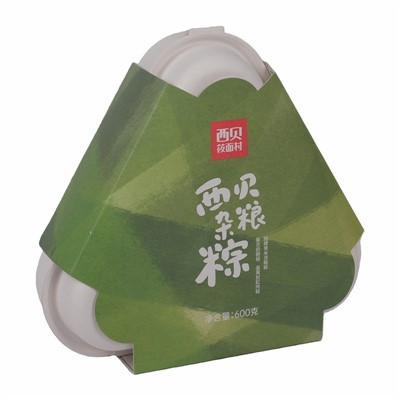
First, the food and beverage sector is easily our largest client base, and it’s not hard to see why. Unlike plastic clamshells, which can trap moisture, odors, or small food particles that spoil produce or contaminate baked goods, molded pulp’s porous, fiber-based structure is breathable. That makes it perfect for fresh produce: apples, berries, avocados, even whole heads of lettuce. We work with small-scale organic farms in the Pacific Northwest to large grocery chain produce distributors, and their biggest win is that pulp molded packaging cuts down on spoilage. A strawberry clamshell made from molded fiber lets excess moisture escape, so berries don’t get moldy or mushy mid-transit, and it’s compostable—no more sending hundreds of pounds of hard-to-recycle plastic to landfills at the end of a product’s life. Beyond produce, we supply molded pulp trays for meat and seafood. The rigid fiber structure holds 1-pound packs of ground beef or whole filets securely, and it’s grease-resistant when treated correctly, so it doesn’t soak through or leak during transport. Takeout and fast-casual restaurants are another big part of this space. Post-pandemic, diners care more about eco-friendly packaging than ever, and molded pulp takeout containers—from clamshells for sandwiches to soup bowls—are one of the only compostable options that stands up to hot sauces, oily foods, and microwaves without warping. We even supply pulp molded egg cartons, though that’s such a classic use it almost feels like a given. What many people don’t realize is that custom-molded pulp cartons for specialty eggs—organic, free-range, even farm-direct—let us shape each cavity to fit a bird’s specific egg size, reducing breakage during shipping by up to 15% compared to standard plastic cartons.
Next, the electronics and consumer tech industry is a sector that’s exploded in its use of pulp molded packaging over the last three years. A lot of the early skepticism here came from a place of: “How can paper protect a $1,000 laptop or a $500 smartphone from a 3-foot drop?” The answer is molding. Unlike generic, one-size-fits-all foam inserts, molded pulp is custom-tooled to wrap every single edge, corner, and gap of a product. We design trays for wireless earbuds that cradle each charging case and earbud individually, so they don’t shift during shipping and get scuffed. For small electronics like smart watches or wireless chargers, the tight, shock-absorbent fit of molded pulp eliminates the need for extra bubble wrap or foam padding, cutting both packaging costs and waste. We also work with larger electronics manufacturers on internal transit packaging—parts like circuit boards, sensors, or even prototype hardware. ESD (electrostatic discharge) pulp molded packaging, which we engineer with specific fiber blends, dissipates static electricity, so sensitive components don’t get damaged during handling. A big win here is that many tech brands have committed to 100% compostable or recyclable packaging, and molded pulp is one of the only materials that checks that box without sacrificing protection. Last year, we had a client that ships portable speakers internationally switch from polystyrene foam to our custom molded pulp trays. Not only did they cut their packaging waste by 70%, but they reduced their customer returns for damaged speakers by 22%—proof that pulp isn’t just a sustainable choice, it’s a better functional choice too.
The third major industry that relies on pulp molded packaging is medical and pharmaceutical supply. This is a space where packaging can’t just be sustainable—it has to meet strict regulatory standards, be sterile, and protect highly sensitive products, from single-use surgical tools to prescription vials. Early on, molded pulp was too porous and too variable for medical use, but advances in manufacturing technology have changed that. Now, we produce molded pulp trays for single-use items like gauze packs, syringe caps, and even implantable medical devices. The rigid, form-fitting design keeps tools sterile during shipping, and unlike plastic blister packs, molded pulp doesn’t contain any harmful chemicals that could leach onto medical products. We also work with pharmaceutical companies on packaging for small, high-value drugs, like vials of insulin or specialty injectables. The custom molded trays hold each vial securely, preventing breakage, and they’re easy to open for hospital staff, which is a big plus in a fast-paced clinical setting. Another often-overlooked use here is for medical waste packaging. Many clinics and labs use molded pulp bins for small biohazardous waste, like used bandages or test samples. The sturdy fiber structure can hold light liquids (when lined with a compostable plastic barrier that meets medical standards) and is fully recyclable, unlike the hard-to-dispose plastic bins many clinics used to rely on. We’ve had clients in the veterinary space too, who use custom molded pulp shipping containers for lab samples—they’re light enough to keep shipping costs low, and they’re designed to insulate temperature-sensitive samples for up to 72 hours.
Fourth, agricultural and horticulture sectors are another key user, and this might surprise a lot of people. It’s not just produce that uses molded pulp; it’s seedling trays, plant starter pots, and even packaging for live plants. Traditional plastic seedling pots take hundreds of years to decompose, and they’re a huge source of plastic waste in gardening and agriculture. Molded pulp seedling trays, on the other hand, are made from recycled paper, and they can be planted directly into soil when it’s time to transplant seedlings. The fibers break down as the plant grows, eliminating the need to remove pots (which can damage root systems) and cutting down on plastic waste. We work with commercial nurseries that grow hundreds of thousands of annuals, vegetables, and even small trees, and switching to molded pulp trays has saved them thousands of dollars in plastic disposal costs. We also supply molded pulp packaging for live potted plants, orchid stems, and even fresh cut flowers. The custom shape fits around delicate stems and leaves, preventing bruising or damage during shipping from greenhouse to retail store. A big plus for growers is that molded pulp is porous, so roots don’t get overheated during shipping, reducing plant mortality rates by up to 10% for some crops.
Beyond these four main sectors, there are a handful of smaller but growing industries that are turning to molded pulp, too. The toy industry, for example, has shifted away from plastic blister packs and styrofoam inserts to molded pulp, as more toy brands market themselves as eco-friendly. We make custom molded trays for wooden puzzles, small action figures, and even children’s books. The rigid structure keeps small parts from shifting, and the material is non-toxic, which is a big selling point for parents. The wine and spirits industry is another one—many craft wineries and breweries use molded pulp inserts for shipping glass bottles. The custom mold fits snugly around each bottle, preventing breakage, and it’s fully recyclable, which aligns with the sustainability messaging many small beverage brands push. Even the e-commerce and direct-to-consumer retail space has picked up on molded pulp, using it for shipping mailers and insert packaging for clothing, accessories, and small home goods. It’s lighter than plastic, so it cuts down on shipping costs, and it’s compostable, which resonates with online shoppers who prioritize sustainable brands.
Now, let’s talk about why this matters—for my team and for the clients we work with. For a long time, molded pulp was written off as a “cheap” packaging option, good enough for cereal boxes but not for high-stakes products. But over the last decade, we’ve invested in better molds, better material blends, and better quality control, and that’s let us prove that molded pulp can match or exceed the protection of plastic and foam, while being more sustainable, often cheaper, and easier to dispose of. A common misconception I still hear is that molded pulp is only for “simple” products, but we’ve worked with brands on everything from custom packaging for high-end cosmetics to secure trays for industrial hardware components. The key isn’t just using molded pulp—it’s designing it to fit the product, not the other way around.
If you’re reading this and you’re part of any of these industries, or you’re looking for a packaging solution that balances protection, cost, and sustainability, we’re here to help. We work with small family-owned businesses and large multinational corporations alike, so whatever your volume or your product, we can design a custom molded pulp packaging solution that meets your needs. Whether you’re looking to reduce your plastic waste, cut down on shipping damage, or just find a packaging option that aligns with your brand’s values, our team can walk you through the options, from standard stock trays to fully custom molds.

Ready to talk through your packaging needs and see how molded pulp can work for your industry? Reach out to our team to connect and schedule a consultation. We’re here to answer questions, share case studies from similar brands, and help you find the right solution for your products.
Cartons References
- American Forest & Paper Association. (2023). Molded Pulp Packaging: Sustainability and Performance Metrics.
- Packaging Digest. (2022). The Rise of Molded Pulp in Medical and Pharmaceutical Packaging.
- Sustainable Packaging Coalition. (2023). Industry Adoption of Compostable Packaging Solutions.
- Horticultural Research Institute. (2021). Impact of Molded Pulp Seedling Trays on Agricultural Waste Reduction.
Dongguang K.B.D Pulp Mould Package Products Co., Ltd.
We are one of the most experienced pulp molded packaging manufacturers and suppliers in China, specialized in providing high quality products and service. Please feel free to buy bulk customized pulp molded packaging from our factory. For quotation and free sample, contact us now.
Address: No.4 Caimei 1st Road, Longjiantian Country, Huangjiang Town, Dongguan, China
E-mail: Kevin.wang@kbd.com.cn
WebSite: https://www.kbd-pack.com/
