Hey guys, let’s cut to the chase—if you’ve ever ordered knitted fabric from a supplier (hi, that’s me!), you’ve probably wondered why wool knits are the go-to for so many projects, whether it’s sweaters, blankets, or even that custom knit tote we talked about last month. A lot of folks mix wool knits up with regular wool woven fabrics, or they think all “wool” is the same, but there’s a whole lot that makes wool knitted fabric unique—stuff that actually matters when you’re buying for your brand, store, or DIY hustle. I’ve been working with this stuff for years, and I’ve got the real tea (no corporate jargon here) on what sets it apart. Knitted Fabric
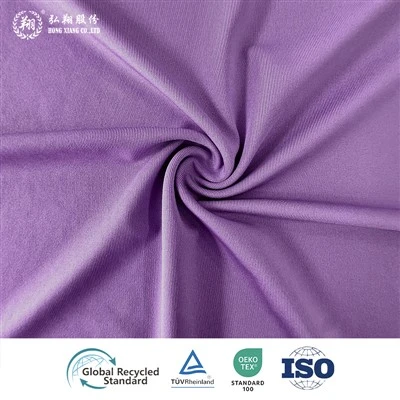
First off, let’s talk about stretch—this is the big one, right? If you’ve ever slipped on a wool knit sweater that hugs your shoulders but still lets you raise your arms, you know exactly what I’m talking about. Woven wool is stiff, it doesn’t give at all, but knitted wool is built differently because of how the yarns loop together instead of interlacing over and under each other. Each little loop is like a tiny elastic band, so when you pull it, it stretches, and when you let go, it bounces right back. That’s why wool knits are perfect for fitted tees, cardigans that stay snug without gaping, and even performance wear that needs to move with your body. I’ve had a client who makes custom baby onesies swear by wool knit for this exact reason—no elastic bags around the legs, just enough give for wiggly little toddlers. And yeah, it’s not just stretchy one way; most good wool knits have 2-way or even 4-way stretch, so it works for all kinds of designs, not just the ones that only need horizontal give.
Next up, breathability and temperature regulation—this is where wool knits beat almost every other fabric, and I say that as someone who’s tested more fabrics than I can count in my warehouse. Wait, people always think wool is super hot, right? No, that’s heavy wool woven or thick felted wool. Knitted wool is lightweight because those loops create tiny, tiny air pockets between them. Those pockets trap warm air close to your body when it’s cold, so you don’t get chills, and when it’s warm, they let excess heat and moisture escape. I once had a runner reach out to me because he was sick of cotton shirts that get soggy and heavy when he sweats—he tried a thin wool knit tee from my inventory, and he told me it kept him cool on 70-degree runs and warm when the sun went down. The key here is that the knit structure doesn’t block that airflow, unlike woven fabrics that are more tightly packed. Also, wool is naturally moisture-wicking, not just absorbent like cotton—so it pulls sweat away from your skin and evaporates it, which means less odor too. That’s a win for active wear, loungewear, even home goods like throw pillows that get used every day.
Durability is another thing that surprises a lot of first-time buyers. Wait, wool is a natural fiber, people think it’ll pill or tear easily, but wool knitted fabric is actually super tough when it’s high quality. Those loops I mentioned earlier? They interlock so tightly that the fabric can take a lot of friction without coming apart. I’ve had a batch of medium-weight wool knit that’s been tested against constant rubbing—like being dragged over concrete, or used for a tote bag that’s stuffed with groceries every day—and it still looks good after a year. The pilling thing? Yeah, cheap wool knits pill, but high-quality ones (like the merino wool or lambswool blends I stock) have longer, stronger fibers that don’t break off as easily. They might get a tiny fuzz after a few washes, but a quick shave takes it right off, and the fabric stays intact. Compare that to cotton knits, which can stretch out and get baggy after a dozen washes, or synthetic knits that pill like crazy and hold onto static. Wool knits hold their shape way better, too—no more sweaters that get all droopy after one wash, because the loop structure keeps the fabric’s form.
Wait, let’s not forget versatility. Wool knitted fabric isn’t just for sweaters, obviously, but it’s so flexible in terms of use that I’m always finding new ways clients use it. For apparel, obviously—sweaters, cardigans, dresses, loungewear, socks, even hat linings. But I’ve had clients use it for home decor: throw blankets, couch covers, table runners, even acoustic panels because the loop structure dampens sound a little. And it’s not just solid colors, either—you can get wool knits in all kinds of weaves, right? Jersey knit is thin and smooth, perfect for tees and blouses. Rib knit is stretchy and thick, great for cuffs, waistbands, and fitted pieces. Interlock knit is double-sided, so it’s extra soft on both sides, no scratchy inside, which is why it’s so popular for baby clothes. Fleece wool knits are brushed on one side for extra warmth, good for jackets and loungewear. The variety here is huge, which is why I keep a wide range of wool knits in stock for all kinds of needs.
Oh, and let’s talk about that softness factor—again, not all wool knits are the same. If you’ve ever touched a scratchy wool sweater, that’s usually low-quality wool or a woven structure. Wool knitted fabric, especially when it’s made with fine fibers like merino or cashmere blends, is super soft against skin. The loop structure means the fibers are spread out a bit, not packed tightly like woven wool, so there’s less of that prickly feeling. I once had a customer who has sensitive skin tell me she’d never worn wool before because it irritated her, but my baby-weight merino wool knit tee didn’t itch at all. That’s a big selling point for people who avoid wool because of the scratchy stereotype. And even the coarser wool knits, like the lambswool ones, are soft in a rustic way—great for fall sweaters and blankets without being harsh.
Wait, is there a downside? No fabric is perfect, and I always tell that to my clients so they know what they’re getting into. Wool knits do need a little extra care—most of them can’t go in the dryer, they need to be washed cold and laid flat to dry, otherwise they might shrink a little. But modern blends, like wool and polyester or nylon, are way more durable and machine-washable now, so that’s not as big of a deal as it used to be. And they are a bit more expensive than synthetic knits or even cotton knits, but the longevity makes up for it—you don’t have to replace a wool knit sweater every year like you would a cheap cotton one.
Here’s the thing I always tell potential buyers: when you’re sourcing knitted fabric for your project, knowing these characteristics can make or break your design. If you’re making a fitted dress that needs to move with the body, you need that stretch and 4-way give. If you’re making a winter loungewear set, you need temperature regulation so you’re not too hot or too cold. If you’re making a product that needs to hold its shape after multiple washes, wool knit is the way to go. I’ve been in this game for 8 years, and I’ve seen clients nail their designs because they picked the right wool knit, and I’ve seen ones run into problems because they confused woven wool with knitted wool.

If you’re looking for high-quality wool knitted fabric for your next project—whether that’s apparel, home goods, or something else—hit me up. I keep a huge inventory of different wool knits, from fine merino jersey to thick rib knits, in all kinds of colors and weights, and I can help you pick exactly what you need for your design. No generic stuff, just real, tested wool knit that works for whatever you’re making. Let’s chat about your project, figure out the right fabric, and get you the materials you need to make something awesome.
Brushed Knit Fabric References
- Textile Institute. (2021). Knit Structure and Its Impact on Fabric Performance. Textile Industry Research Journal.
- International Wool Textile Organization. (2022). Wool Fiber Properties and Application in Knitted Fabrics. IWTO Technical Bulletin.
- ASTM International. (2020). Standard Test Methods for Stretch and Recovery of Knit Fabrics. ASTM D4964-20.
- Sullivan, C. (2019). The Science of Wool: Why Wool Knits Outperform Synthetic and Cotton Alternatives. Textile Apparel Technology Magazine.
Zhejiang Hongxiang Textile Technology Co., Ltd.
Zhejiang Hongxiang Textile Technology Co., Ltd. is one of the most professional knitted fabric manufacturers and suppliers in China. With abundant experience, we warmly welcome you to wholesale custom made knitted fabric from our factory. If you have any enquiry about cooperation, please feel free to email us.
Address: No. 8, 12th Road, Warp Weaving Park, Maqiao Street, Haining City, Jiaxing City, Zhejiang Province
E-mail: gd@hongxiang888.cn
WebSite: https://www.h-xiang.com/
