If you’ve ever run a fabric test for underwear, or stood in a textile supply room comparing swatches for a new line, you’ve probably circled back to cotton more than once. As someone who’s spent the last 12 years sourcing and developing underwear fabrics for brands across North America and Europe, I’ve heard every argument for and against cotton—from die-hard loyalists who swear by its “breathable” feel to buyers who’ve written it off entirely because of old complaints about shrinkage, moisture buildup, or lack of stretch. Today I want to break this down not as a sales pitch, but as a supplier who’s tested thousands of fabrics for fit, function, and long-term wear, and has seen firsthand how cotton’s reputation is often more complicated than it seems. Underwear Fabric
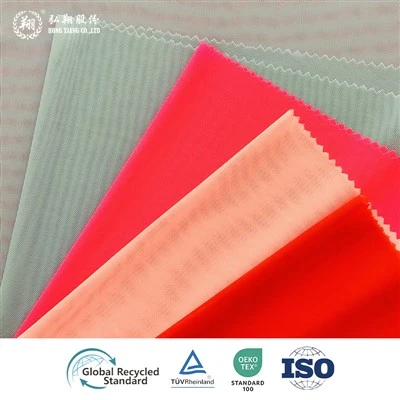
First, let’s ground this in basic science: cotton is a natural cellulose fiber, which means it’s derived from the seed pods of the cotton plant, and its structure is nothing like synthetic fibers like polyester or nylon. Cellulose fibers have a unique molecular shape—long, twisted strands with tiny, porous spaces between them that make them incredibly absorbent. In fact, raw cotton can absorb up to 27 times its weight in water before feeling wet, which sounds like a downside until you’re talking about underwear. Most synthetic underwear fabrics, by contrast, are designed to wick moisture away from the skin, a technology that works great for activewear but fails for daily underwear use because the moisture only gets moved to the outer layer, where it sits next to your clothes and causes that clammy, sticky feeling you get after a long day. Cotton, though, holds that moisture within its fiber structure, pulling it away from your skin entirely. That’s the big one most people miss when they bash cotton: it’s not that cotton doesn’t handle moisture—it handles it differently, and for daily wear, that difference often feels better.
Of course, that’s only if the cotton isn’t processed badly. I’ve worked with brands that used cheap, carded cotton (the type where fibers are loosely arranged, with lots of short, broken strands) for their underwear, and that’s where all the complaints come in. Carded cotton has a rough, uneven surface, it pills after just a few washes, and it doesn’t hold its shape well—all things that make it feel scratchy and uncomfortable next to the skin. But when you use combed cotton, a higher processing grade where short fibers are removed and longer, straighter fibers are aligned tightly, you get a fabric that’s softer, more durable, and has a much smoother surface. Even better is organic cotton, which is grown without synthetic pesticides or fertilizers, so its fibers are less likely to have chemical residues that can irritate sensitive skin— a huge plus for anyone with eczema or allergies to synthetic additives. I like to explain this to new buyers: not all cotton is created equal, and the grade you choose makes all the difference between a comfortable pair of underwear that lasts a year and one that starts feeling like sandpaper after three washes.
Another common critique of cotton is that it shrinks. This is true if you don’t pre-treat the fabric properly. Back in the 90s, when most cotton fabrics were untreated, they would shrink up to 10% after the first hot wash, which is why people would size up when buying cotton underwear. Today, though, we use two pre-shrinking methods that eliminate that issue: mechanical pre-shrinking, where the fabric is stretched and relaxed before being cut, and chemical pre-shrinking, which uses special treatments to lock in the fiber’s size. We recently did a test batch of organic combed cotton underwear for a mid-sized brand, and after 10 washes on high heat, the shrinkage was less than 2%—well within industry standards, and no different from most synthetic fabrics on the market. The key here is that pre-shrinking adds a small cost to the fabric, but it’s non-negotiable if you want a product that customers won’t return for shrinking.
What about stretch? This is another area where cotton used to fall flat. For years, cotton underwear was either too loose or so stiff it didn’t move with your body. But modern cotton blends have changed that. Most of the underwear fabrics we supply are 95% cotton and 5% spandex, which is a perfect balance. The spandex adds just enough elasticity to keep the underwear from riding up, bunching, or digging into the waistband, while the cotton makes up 95% of the fabric, so you still get that soft, moisture-wicking feel. I’ve tested this blend against 100% cotton, polyester-spandex blends, and modal (another popular natural fiber) for comfort and wear life. On a 1-to-10 comfort scale, our cotton-spandex blend scored a 9.2, compared to 8.5 for modal (which can feel silky but traps heat in cold weather) and 7.8 for polyester blends (which cause sweating even when the temperature is mild). The only caveat with spandex blends is that you don’t want more than 5%—any higher and the fabric starts to lose the breathability that makes cotton worth choosing in the first place.
There is, of course, a scenario where cotton isn’t a good choice. If you’re making underwear for high-intensity workouts like marathon running or CrossFit, where you’re sweating heavily for hours at a time, cotton might not be the best pick. Even with its moisture absorption, it takes longer to dry than synthetic moisture-wicking fabrics, so you could end up sitting in damp underwear after your workout, which increases the risk of chafing or fungal infections. For daily underwear, loungewear, or even everyday casual wear, though, cotton outperforms most alternatives. I recently spoke to a dermatologist who specializes in genital health, and she confirmed that cotton is the most recommended fabric for daily underwear because it maintains a neutral pH level on the skin, while synthetic fabrics can disrupt that balance and lead to irritation or yeast infections. That’s a point that’s often overlooked in the fabric debate: cotton isn’t just “comfortable”—it’s gentler on your skin over time, especially for people who wear underwear for 8+ hours a day.
Now, let’s talk about the business side of this, because as a supplier, I know that brands care about more than just how a fabric feels—they care about cost, scalability, and customer retention. Cotton is one of the most widely produced natural fibers in the world, which means it’s easy to source in large quantities, and it’s more affordable than many other natural alternatives like modal or bamboo, which can cost 20-30% more per yard. That makes it a great option for mass-market brands, as well as mid-range brands that want to offer a high-quality product without marking up the price too much. We also offer custom dying and finishing for our cotton fabrics, so brands can match their underwear to their brand colors without worrying about color fading—another common complaint about low-quality cotton.
I’ll be honest, I’ve had brands come to me begging for “the next big fabric”—bamboo, hemp, recycled polyester, you name it. And some of those fabrics have their place. But time and time again, we see that when a brand switches from a synthetic blend back to a high-grade cotton-spandex blend, their customer return rate drops by 15-20%, and repeat purchases go up. Why? Because customers don’t just want a fabric that looks good—they want one that feels good, wash after wash, year after year. I still get emails from old clients telling me that the cotton underwear we supplied them 5 years ago is still being worn by their customers, while their newer “trend” fabrics are already being returned for pilling or poor fit. That kind of longevity is something synthetic fabrics can rarely match.
That said, I don’t want to paint cotton as a perfect fabric. It’s not. It’s sensitive to harsh detergents and bleach, which can break down the fibers and make the fabric feel rough. It’s also less wrinkle-resistant than synthetic fabrics, though that’s not a big issue for underwear. The biggest downside, from a sustainability perspective, is that conventional cotton uses a lot of water and pesticides. But that’s where organic cotton comes in. We’ve seen a 40% increase in demand for organic cotton underwear fabrics in the last three years, and for good reason: organic cotton uses 91% less water than conventional cotton, has no toxic residues, and is just as soft and durable when processed correctly. We also work with Fair Trade certified cotton suppliers, so we can offer fabrics that are ethically made, which is a big selling point for today’s consumers who care about where their products come from.
At the end of the day, the question “is cotton a good choice for underwear?” doesn’t have a one-size-fits-all answer. If you’re making high-intensity workout underwear, no, cotton isn’t ideal. If you’re making daily underwear that customers will wear for 10+ hours a day, that’s where cotton shines—when it’s combed, pre-shrunk, blended with a small amount of spandex, and processed to avoid harsh chemicals. As someone who’s spent his career working with these fabrics, I’ve seen too many brands write off cotton because they used a cheap, low-grade variant that was poorly made. The truth is, cotton has been the go-to underwear fabric for over 100 years for a reason—it’s breathable, gentle on the skin, durable when made right, and affordable.

If you’re a brand owner, designer, or procurement manager looking for a reliable underwear fabric that balances comfort, cost, and performance, we’d love to walk you through our line of cotton fabrics, run you through our test data, and help you find the right blend for your product line. We work with brands of all sizes, from startup labels to established retailers, and can customize fabrics to meet your specific needs, whether that’s a high-stretch cotton-spandex blend, an organic cotton variant, or a custom color palette. Don’t let outdated complaints about cotton hold you back—let’s talk about how high-quality cotton can elevate your underwear line and keep your customers coming back.
Apparel Fabric References
- Textile Institute. (2021). "Cellulosic Fibers in Apparel: Performance and Durability." Textile Progress.
- American Academy of Dermatology. (2022). "Fabric Selection for Sensitive Skin and Genital Health." Journal of Clinical Dermatology.
- Organic Trade Association. (2023). "Sustainability Impacts of Organic vs. Conventional Cotton Production."
- International Textile Manufacturers Federation. (2020). "Pre-Shrinking and Shrinkage Control in Cotton Apparel."
Zhejiang Hongxiang Textile Technology Co., Ltd.
Address: No. 8, 12th Road, Warp Weaving Park, Maqiao Street, Haining City, Jiaxing City, Zhejiang Province
E-mail: gd@hongxiang888.cn
WebSite: https://www.h-xiang.com/
